Prophetic Nutrition: Harnessing Sunnah Principles for Sustainable Weight Management -Assalamualaikum Hallo sahabat semua pecinta sharingkesehat, Pada Artikel yang anda baca kali ini dengan judul Prophetic Nutrition: Harnessing Sunnah Principles for Sustainable Weight Management, kami telah mempersiapkan artikel ini dengan baik untuk anda baca dan ambil informasi didalamnya. mudah-mudahan isi postingan
Artikel Health, yang kami tulis ini dapat anda pahami. baiklah, selamat membaca.
Judul : Prophetic Nutrition: Harnessing Sunnah Principles for Sustainable Weight Management
link : Prophetic Nutrition: Harnessing Sunnah Principles for Sustainable Weight Management
Prophetic Nutrition: Harnessing Sunnah Principles for Sustainable Weight Management
You've just finished a meal, feeling that familiar post-eating sluggishness, perhaps even a pang of guilt, wondering if you've overeaten again. In an era saturated with conflicting diet trends and quick-fix solutions, the timeless wisdom embedded in the dietary practices of the Prophet Muhammad (peace be upon him) offers a profound, sustainable blueprint for maintaining ideal weight and holistic well-being. This isn't about restrictive diets; it's about re-calibrating our relationship with food, guided by principles that resonate with both spiritual insight and modern nutritional science.
Key Takeaways
- Moderation is Paramount: Eat until satisfied, not full, aligning with Quranic guidance and Prophetic practice.
- Embrace Whole, Natural Foods: Prioritize nutrient-dense options like fruits, vegetables, whole grains, and lean proteins over processed alternatives.
- Mindful Eating Practices: Savor meals, chew thoroughly, and give gratitude, fostering a deeper connection with your food.
- Strategic Hydration & Timing: Drink water consistently and consider the benefits of early meals and occasional fasting for metabolic health.
The Core Principle: Moderation and Mindful Consumption
At the heart of the Prophet's dietary approach lies a profound emphasis on moderation. This isn't merely about portion control; it's a holistic philosophy that impacts how we perceive, prepare, and consume our food. The goal is to nourish the body adequately without burdening it.
Avoiding Excess: The Qur'anic Mandate
The Qur'an explicitly advises against extravagance, a principle that extends directly to eating habits. Surah Al-A'raf (7:31) states, "...and eat and drink, but be not excessive. Indeed, He likes not those who commit excess." This divine directive serves as the foundational pillar for a healthy relationship with food. Modern nutritional science consistently links overconsumption, particularly of calorie-dense, nutrient-poor foods, to weight gain and chronic diseases. The Prophetic way teaches us to view food as sustenance, not as an endless source of gratification.
The Sunnah of Satiety: Eating Until Satisfied, Not Stuffed
A well-known Prophetic tradition (hadith) advises filling one's stomach with one-third food, one-third water, and one-third air. This isn't a rigid measurement but a powerful metaphor for moderation. It encourages stopping before reaching uncomfortable fullness, allowing the digestive system to function optimally. This practice also gives the body time to register satiety signals, which typically take about 20 minutes to reach the brain, preventing overeating. Integrating this means slowing down your eating pace and truly listening to your body's signals of fullness rather than external cues.

Nutrient-Rich Choices: Fueling the Body Prophetically
The Prophet Muhammad's diet was characterized by its simplicity and reliance on natural, wholesome foods. These choices, often staples of the Arabian Peninsula, are now recognized globally for their nutritional benefits, supporting not just weight management but overall vitality.
Embracing Whole Foods: Grains, Fruits, and Vegetables
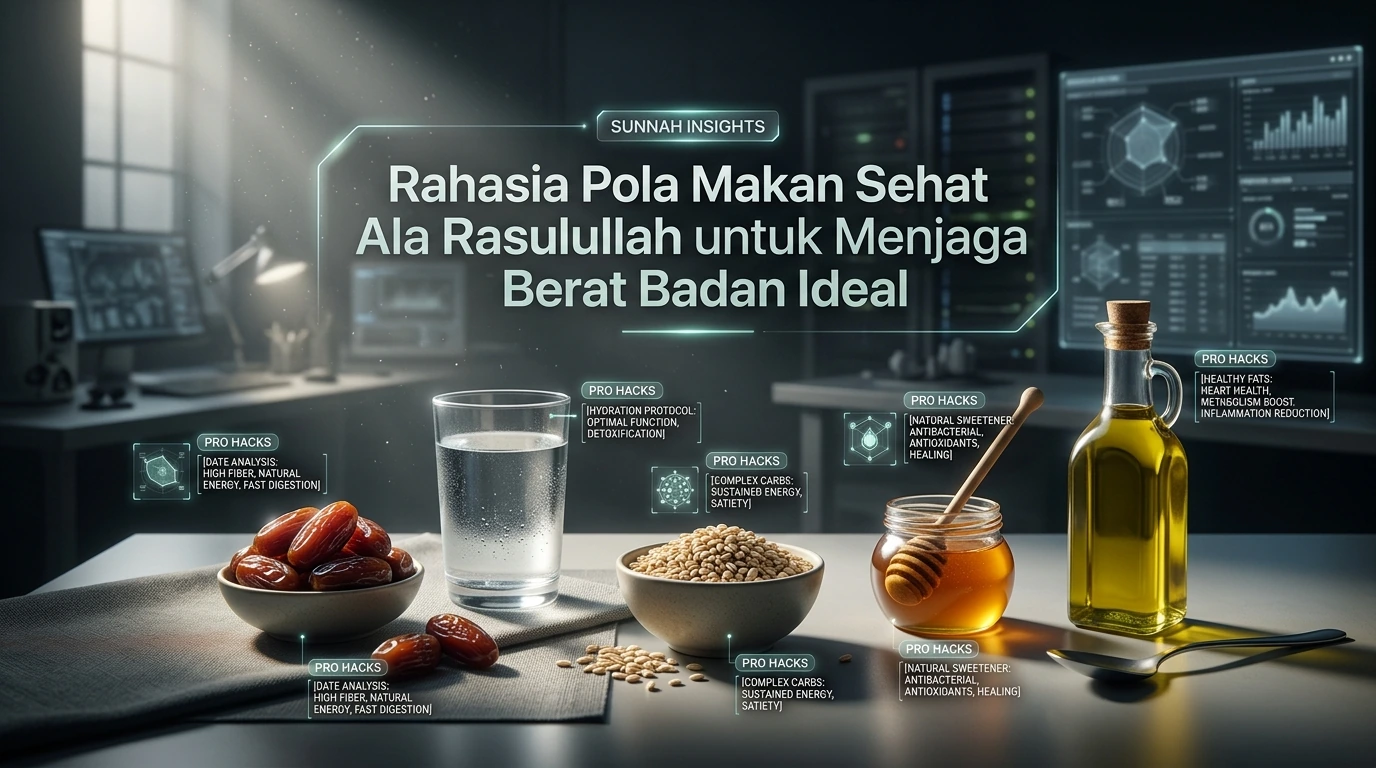
The Prophetic diet prominently featured foods like barley (often consumed as bread), dates, honey, olives, olive oil, and various fruits and vegetables. These are all rich in fiber, vitamins, minerals, and antioxidants. For instance, dates provide natural sugars, fiber, and essential minerals, offering a quick energy boost without the crash associated with refined sugars. Barley, a whole grain, contributes sustained energy and digestive health. Incorporating a wide array of colorful fruits and vegetables ensures a broad spectrum of micronutrients vital for metabolic function and satiety.
The Role of Lean Proteins and Healthy Fats
While meat consumption was moderate, the Prophet's diet included lean protein sources like milk, yogurt, and occasional lamb or chicken. These proteins are crucial for muscle maintenance, satiety, and a healthy metabolism. Healthy fats, particularly from olive oil, were also a staple. Olive oil is renowned for its monounsaturated fatty acids, which are beneficial for heart health and can aid in nutrient absorption and satiety. These elements together form a balanced nutritional profile that supports a healthy weight without deprivation.

Structured Eating: Timing and Hydration
Beyond what was eaten, the how and when of eating also held significance. These practices, often overlooked in modern dietary advice, offer profound benefits for digestive health and weight regulation.
The Blessings of Early Meals and Intermittent Fasting
The Prophet encouraged eating an early breakfast (suhoor during Ramadan) and an early dinner, often advising against late-night meals. This aligns with contemporary understanding of circadian rhythms and their impact on metabolism. Eating earlier allows the body to digest and utilize energy more efficiently before sleep. Furthermore, the practice of intermittent fasting, particularly the voluntary fasts (Sunnah fasts) observed by the Prophet, has gained significant scientific interest for its benefits in weight management, insulin sensitivity, and cellular repair. This involves cycles of eating and fasting, naturally reducing overall calorie intake and promoting metabolic flexibility.
Water: The Forgotten Elixir
Hydration was a cornerstone of the Prophet's daily routine. Drinking water in sips, not gulps, and before meals was a common practice. Adequate water intake is fundamental for every bodily function, including metabolism and appetite regulation. Often, thirst signals are mistaken for hunger, leading to unnecessary snacking. Prioritizing water throughout the day, especially before meals, can significantly reduce overall food intake and support satiety.

Common Pitfalls and Modern Adaptations
Applying timeless principles in the fast-paced world of 2026 requires conscious effort and adaptation. Understanding common traps helps navigate the journey towards healthier eating.
The Trap of Processed Foods and Sugary Drinks
One of the biggest deviations from the Prophetic diet in modern times is the pervasive presence of highly processed foods and sugary beverages. These items, often engineered for hyper-palatability, contribute excessive calories, refined sugars, unhealthy fats, and artificial additives, directly contradicting the Sunnah's emphasis on natural and wholesome sustenance. They offer minimal nutritional value and are a primary driver of weight gain and metabolic dysfunction. Actively reducing or eliminating these from your diet is a critical step.
PRO TIP: Re-evaluate Your Pantry
Take an hour this week to audit your kitchen. Remove items with long ingredient lists, added sugars, or artificial components. Replace them with whole grains, fresh produce, lean proteins, and healthy fats like olive oil and nuts. This proactive step creates an environment conducive to Sunnah-inspired eating.
Integrating Sunnah Principles into a Busy 2026 Lifestyle
Adapting these principles doesn't mean reverting to ancient culinary practices entirely. It means making conscious choices:
- Meal Planning: Prepare simple, wholesome meals in advance using Sunnah-inspired ingredients.
- Smart Snacking: Opt for dates, fruits, nuts, or yogurt instead of processed snacks.
- Mindful Eating Breaks: Even during a busy workday, dedicate 15-20 minutes to eat slowly and without distraction.
- Hydration Reminders: Use apps or set alarms to ensure consistent water intake throughout the day.

A Path to Lasting Well-being
The Prophetic dietary wisdom offers more than just a method for weight management; it provides a holistic framework for living. By embracing moderation, prioritizing whole foods, practicing mindful consumption, and optimizing hydration and meal timing, individuals can cultivate a sustainable path to ideal weight and enhanced vitality. This approach fosters a deeper connection with our bodies, our food, and the blessings bestowed upon us, moving beyond fleeting trends towards enduring health and spiritual fulfillment. Begin with small, consistent changes, and witness the transformative power of these timeless principles in your life.
Demikianlah Artikel Prophetic Nutrition: Harnessing Sunnah Principles for Sustainable Weight Management
Anda sekarang membaca artikel Prophetic Nutrition: Harnessing Sunnah Principles for Sustainable Weight Management dengan alamat link https://sharingkesehat.blogspot.com/2026/09/prophetic-nutrition-harnessing-sunnah.html