Harmonizing Health and Faith: The Prophetic Modus Operandi for Sustained Vitality -Assalamualaikum Hallo sahabat semua pecinta sharingkesehat, Pada Artikel yang anda baca kali ini dengan judul Harmonizing Health and Faith: The Prophetic Modus Operandi for Sustained Vitality, kami telah mempersiapkan artikel ini dengan baik untuk anda baca dan ambil informasi didalamnya. mudah-mudahan isi postingan
Artikel Sehat Ala Rasulullah, yang kami tulis ini dapat anda pahami. baiklah, selamat membaca.
Judul : Harmonizing Health and Faith: The Prophetic Modus Operandi for Sustained Vitality
link : Harmonizing Health and Faith: The Prophetic Modus Operandi for Sustained Vitality
Harmonizing Health and Faith: The Prophetic Modus Operandi for Sustained Vitality
How can we align our dietary habits with a pursuit of longevity and well-being, drawing inspiration from timeless wisdom? The answer lies within the profound guidance of the Sunnah, offering a holistic blueprint for health that transcends mere physical sustenance. Embracing a balanced approach to eating, as exemplified by Rasulullah ﷺ, provides a pathway not only to physical vitality but also to spiritual contentment.

Unpacking the Prophetic Wisdom of Moderation
At the heart of the Sunnah's guidance on eating lies the principle of moderation, often encapsulated by the Hadith: "The son of Adam does not fill any vessel worse than his stomach. A few morsels are sufficient for the son of Adam to keep his back straight. But if he must fill it, then one-third for his food, one-third for his drink, and one-third for his breath." (Tirmidhi). This teaching extends beyond simple portion control; it encourages a state of 'qana'ah' (contentment) with what is sufficient, fostering gratitude and preventing excess. This approach to sustenance views food as fuel for worship and daily life, rather than an end in itself.
The Prophet Muhammad ﷺ consistently demonstrated a preference for wholesome, natural foods, avoiding extravagance and waste. His diet comprised staples like dates, barley, honey, milk, olives, and vegetables, consumed thoughtfully and without overindulgence. This mindful consumption pattern is foundational to Islamic dietary ethics, promoting health while discouraging gluttony, which is explicitly forbidden in the Quran (7:31).

The Physiological Imperative: How Controlled Intake Fosters Longevity
Modern nutritional science increasingly validates the wisdom embedded in prophetic dietary practices. Eating in moderation, avoiding overfilling the stomach, has several profound physiological benefits that contribute to extended health and vitality:
- Optimized Digestion and Nutrient Absorption: When the stomach is not overloaded, the digestive system operates more efficiently. This allows for better breakdown of food and superior absorption of essential nutrients, preventing digestive strain and nutrient deficiencies.
- Stable Blood Sugar Levels: Smaller, more frequent, and appropriately portioned meals help prevent drastic spikes and crashes in blood sugar. This stability is crucial for preventing insulin resistance, a precursor to Type 2 Diabetes, and supports consistent energy levels throughout the day.
- Reduced Inflammation: Chronic low-grade inflammation contributes to numerous age-related diseases, including cardiovascular issues and neurodegenerative disorders. Overeating, especially processed foods, can exacerbate inflammation. Moderate eating, particularly of whole, anti-inflammatory foods, helps mitigate this risk.
- Cellular Repair and Autophagy: Periods of slight caloric restriction or intermittent fasting, which aligns with the Sunnah's emphasis on not always filling the stomach, can trigger cellular repair processes like autophagy. This natural "cellular cleansing" mechanism removes damaged cells and regenerates healthier ones, which is a key factor in anti-aging research.
- Weight Management: Consistently eating until satisfied, but not stuffed, is a fundamental strategy for maintaining a healthy weight. Preventing obesity reduces the risk of a myriad of chronic conditions, from heart disease to certain cancers.

PRO TIP: The 2/3rds Rule for Hydration
While the Hadith speaks of one-third for food, one-third for drink, and one-third for breath, remember that water intake should be consistent throughout the day, not just concentrated during meals. Aim for small sips before, during, and after meals to aid digestion without excessively diluting stomach acids or overfilling. Prioritize water over sugary beverages always.
Cultivating Mindful Consumption: Daily Practices from the Sunnah
Integrating the prophetic approach to eating into contemporary life requires conscious effort and a shift in mindset. Here are practical steps to adopt:
- Eat Slowly and Chew Thoroughly: Rasulullah ﷺ was known to eat slowly. This practice allows the brain sufficient time to register satiety signals, preventing overconsumption. It also aids digestion from the very first stage.
- Start with "Barakah" Foods: Begin meals with foods blessed in the Sunnah, such as dates or water, setting a tone of gratitude and intentionality. Dates offer quick energy and essential nutrients, preparing the body for the meal.
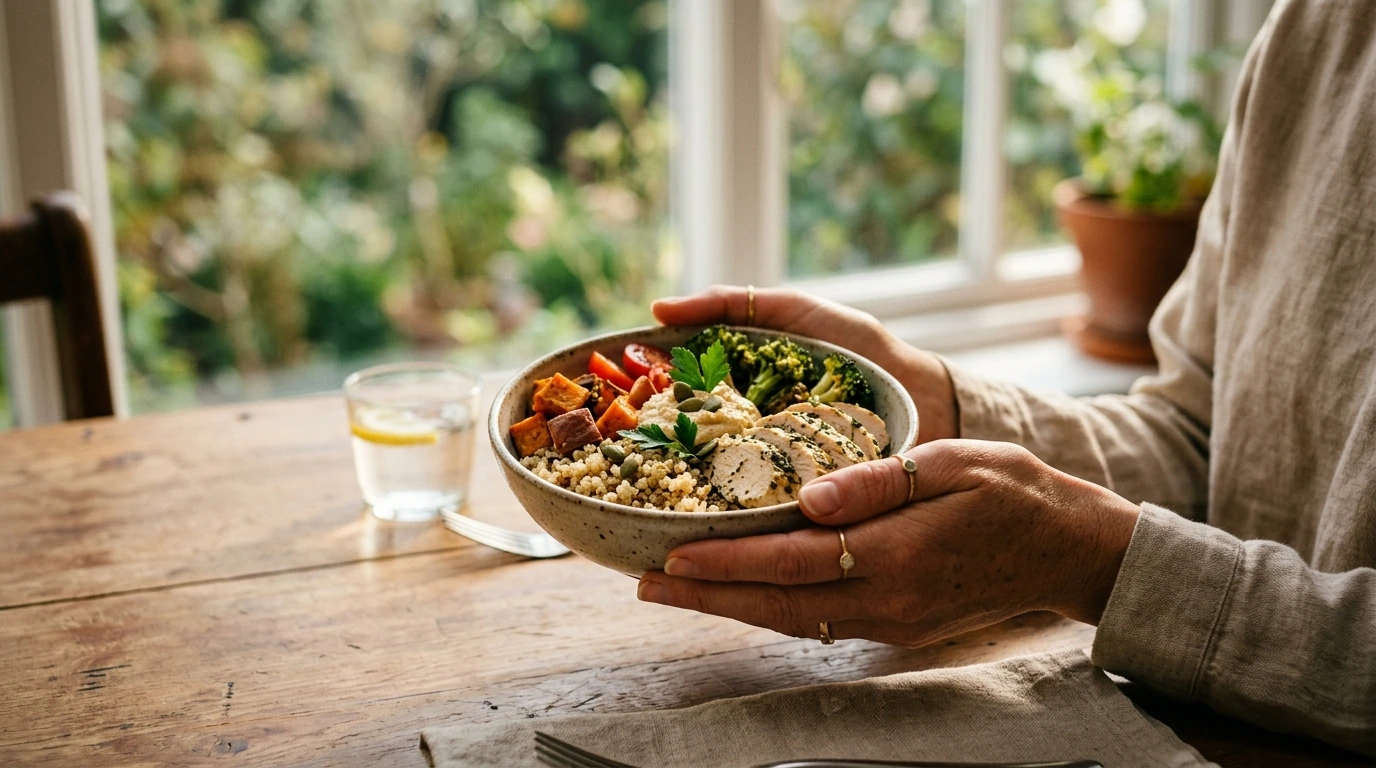
- Portion Awareness: Visually divide your plate according to the "one-third" principle. While not a rigid scientific measurement, it serves as a powerful reminder to leave room and avoid stuffing. Consider using smaller plates to naturally reduce portion sizes.
- Listen to Your Body's Hunger Cues: Distinguish between true physiological hunger and emotional or habitual eating. Eat when genuinely hungry and stop when satisfied, not full.
- Share Meals: Eating in communal settings, as encouraged in Islam, can foster a sense of moderation and prevent individual overindulgence. The blessing (barakah) is said to be in shared food.
- Avoid Waste: Take only what you intend to eat and finish your plate. This reflects gratitude for Allah's provisions and aligns with the Sunnah's emphasis on avoiding extravagance.
Navigating the Modern Table: Preserving Prophetic Wisdom Amidst Abundance
The abundance of food options, coupled with pervasive marketing and social pressures, can make adhering to moderate eating challenging. However, the timeless principles of the Sunnah offer robust strategies for navigating these complexities:
- Conscious Food Choices: Prioritize whole, unprocessed foods. The Sunnah emphasizes natural ingredients, which are inherently more satiating and nutrient-dense, reducing the urge to overeat. Be discerning about ingredients and origins.
- Mindful Social Gatherings: At feasts or social events, practice mindful selection. It is permissible to enjoy good food, but the principle of moderation still applies. Focus on conversation and connection rather than solely on consumption.
- Strategic Meal Planning: Plan your meals to ensure they are balanced and sufficient, reducing the likelihood of impulsive, unhealthy choices due to extreme hunger. This proactive approach supports consistent moderate intake.
- Cultivating Gratitude: Regularly reflect on the blessings of food and sustenance. This spiritual practice fosters contentment and deters heedless consumption, reinforcing the value of each morsel.

Sustaining a Legacy of Well-being: A Concluding Reflection
Embracing the prophetic path to moderation in eating extends far beyond a simple diet; it is a profound lifestyle choice that integrates physical health with spiritual discipline. By consciously adopting principles of mindful consumption, portion awareness, and gratitude, individuals can unlock a deeper sense of well-being and contribute to a legacy of enduring vitality. The Sunnah's guidance provides a timeless framework for nurturing both the body and the soul, paving the way for a healthier, more fulfilling life.
Mengelola Tekanan Darah dan Kesehatan Jantung: Pendekatan Herbal Sunnah yang Teruji →
Pertanyaan Umum (FAQ)
- What is the core principle of prophetic eating for longevity?
- The core principle is moderation, encapsulated by the Hadith advising to fill one's stomach with one-third food, one-third drink, and one-third for breath, emphasizing contentment and avoiding excess.
- How does moderate eating benefit physical health?
- It optimizes digestion, stabilizes blood sugar, reduces inflammation, supports cellular repair mechanisms like autophagy, and aids in healthy weight management, all contributing to long-term health.
- Can these principles be applied to modern diets?
- Absolutely. By focusing on whole foods, practicing mindful eating, controlling portions, and cultivating gratitude, individuals can effectively integrate prophetic wisdom into contemporary dietary habits.
- Are there specific "Sunnah foods" recommended?
- While the emphasis is on moderation and wholesomeness, foods like dates, barley, honey, olives, figs, and milk are frequently mentioned in the Sunnah and offer significant nutritional benefits.
Demikianlah Artikel Harmonizing Health and Faith: The Prophetic Modus Operandi for Sustained Vitality
Anda sekarang membaca artikel Harmonizing Health and Faith: The Prophetic Modus Operandi for Sustained Vitality dengan alamat link https://sharingkesehat.blogspot.com/2026/10/harmonizing-health-and-faith-prophetic.html