Countering Sedentary Work and Late Nights with Prophetic Wellness -Assalamualaikum Hallo sahabat semua pecinta sharingkesehat, Pada Artikel yang anda baca kali ini dengan judul Countering Sedentary Work and Late Nights with Prophetic Wellness, kami telah mempersiapkan artikel ini dengan baik untuk anda baca dan ambil informasi didalamnya. mudah-mudahan isi postingan
Artikel Sehat Ala Rasulullah, yang kami tulis ini dapat anda pahami. baiklah, selamat membaca.
Judul : Countering Sedentary Work and Late Nights with Prophetic Wellness
link : Countering Sedentary Work and Late Nights with Prophetic Wellness
Countering Sedentary Work and Late Nights with Prophetic Wellness
The demands of contemporary office life often usher in a paradox: while technology connects us globally, it can also tether us to desks for extended periods, frequently stretching into late nights. For many, this routine of prolonged sitting and disrupted sleep patterns presents significant health challenges, from metabolic slowdown to compromised mental clarity. Yet, ancient wisdom, particularly principles rooted in the Sunnah, offers a powerful framework for cultivating resilience and vitality even within these modern constraints.

Adopting a lifestyle inspired by Prophetic traditions provides a holistic and sustainable approach to counter the detrimental effects of sedentary office work and frequent late nights. This framework emphasizes mindful movement, balanced nutrition, structured rest, and spiritual well-being, offering practical strategies to enhance energy, improve focus, and foster long-term health, aligning modern needs with timeless principles of moderation and self-care.
Foundations of Prophetic Wellness for the Modern Professional
The core of Sunnah-inspired wellness rests on principles of moderation (wasatiyyah), mindfulness, and balance. For office workers navigating long hours and irregular sleep, integrating these foundations means rethinking daily habits from a holistic perspective. It's about consciously structuring your day to honor the body's natural rhythms and spiritual needs, rather than passively reacting to external pressures.
- Mindful Eating: Emphasizing wholesome, natural foods and avoiding overindulgence, as encouraged by the Prophet Muhammad (peace be upon him).
- Structured Rest: Recognizing sleep as a vital component of health, with guidance on optimal sleep patterns and the benefits of a midday nap (qailulah).
- Regular Movement: Incorporating physical activity, even in small doses, throughout the day to maintain vitality and prevent stagnation.
- Spiritual Fortification: Engaging in acts of remembrance (dhikr) and prayer to foster mental clarity, reduce stress, and cultivate inner peace.
Reclaiming Movement and Rest: A Prophetic Rhythm
Prolonged sitting is now widely recognized as a significant health risk, contributing to metabolic dysfunction and musculoskeletal issues. Similarly, chronic sleep deprivation impacts cognitive function, mood, and immune response. The Prophetic lifestyle offers simple yet profound antidotes.

The Prophet's emphasis on physical activity, even through daily prayers which involve varied postures, provides a template for incorporating movement. For those frequently working late, aligning sleep with natural cycles, even if delayed, and ensuring sufficient duration is paramount. A short midday nap, often recommended in the Sunnah, can significantly boost energy and concentration without disrupting nighttime sleep.
PRO TIP: Even short, frequent breaks for movement—like a 5-minute walk or a few stretches every hour—can significantly counteract the negative effects of prolonged sitting. Consistency is more impactful than intensity.
Nourishing the Body and Mind: Sunnah-Inspired Dietary Wisdom
The Prophetic diet was characterized by simplicity, nutrient density, and moderation. This approach stands in stark contrast to the often-processed, high-sugar foods prevalent in modern office environments, which can contribute to energy crashes and weight gain. Key elements include:
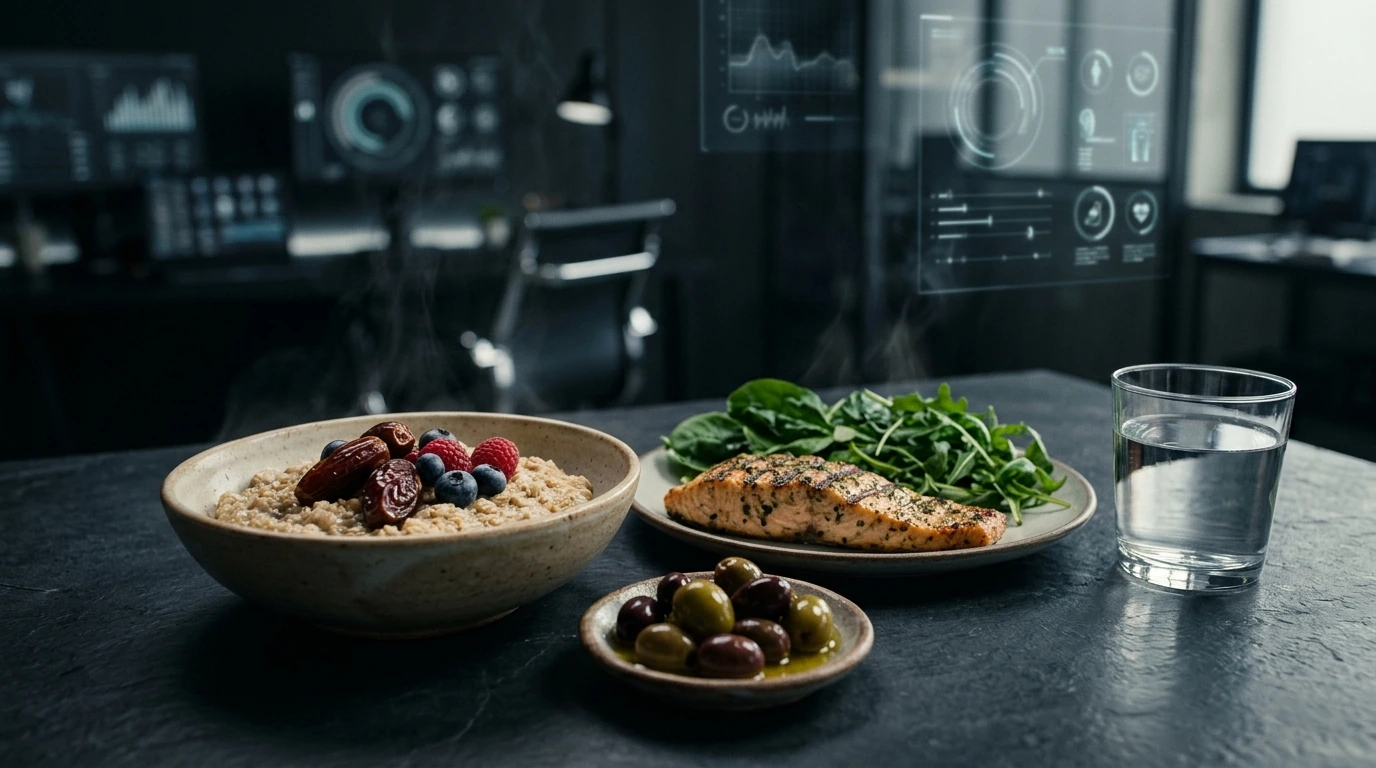
- Dates: A natural source of energy, fiber, and essential minerals, excellent for breaking fasts or as a healthy snack.
- Honey: Valued for its medicinal properties and as a natural sweetener, offering immune support.
- Olive Oil: A healthy fat rich in antioxidants, beneficial for heart health and overall vitality.
- Barley and Whole Grains: Providing sustained energy and fiber, promoting digestive health.
The principle of eating until one is two-thirds full helps prevent lethargy and supports efficient digestion, particularly crucial for those with erratic schedules.
Integrating Timeless Principles into a Hectic Schedule
Successfully adopting these practices requires intentionality rather than a complete overhaul. Start small. Instead of reaching for coffee during a late-night work session, consider a glass of water with a date. Replace a sedentary lunch break with a short walk. Dedicate specific times for prayer or remembrance to create mental breaks.
The emphasis on intention (niyyah) in Islamic teachings means that even small acts, performed with the right intention for health and well-being, carry significant weight. This makes the integration process less daunting and more personally meaningful.
The Holistic Benefits and Practical Considerations
Embracing a lifestyle rooted in Prophetic wellness offers a multitude of benefits for the modern professional:
- Enhanced Energy and Focus: Through balanced nutrition and structured rest.
- Reduced Stress and Improved Mood: Via spiritual practices and mindful living.
- Stronger Immune System: Supported by natural foods and adequate sleep.
- Sustainable Well-being: A holistic approach that addresses physical, mental, and spiritual health.
However, practical considerations include the need for discipline in breaking established habits and the initial effort to learn and adapt these principles to a contemporary context. While the core tenets are universal, their application might require creative solutions in specific work environments.
Your Path to Sustainable Well-being: A Final Verdict
For office workers frequently battling the twin challenges of a sedentary lifestyle and late-night demands, the wisdom embedded in Prophetic traditions offers a robust and surprisingly modern blueprint for health. It's not about rigid adherence to historical norms, but rather extracting timeless principles of balance, moderation, and self-care that remain profoundly relevant in 2026.
This path is particularly beneficial for those seeking a holistic alternative to quick fixes, aiming for sustained vitality, mental clarity, and spiritual grounding. By intentionally weaving these practices into daily life, individuals can not only mitigate the detrimental effects of modern work but also cultivate a deeper sense of purpose and well-being.
Mengurai Pola Tidur Nabi: Solusi Holistik Mengatasi Insomnia dan Stres di Era Modern →
Frequently Asked Questions
- Can these principles be adapted by non-Muslims?
- Absolutely. The core principles of mindful eating, regular movement, adequate rest, and spiritual reflection are universal tenets of good health and can be adopted by anyone, regardless of their faith background.
- How quickly can one expect to see results?
- Changes in energy levels, sleep quality, and mental clarity can often be noticed within a few weeks of consistent application. Long-term benefits, such as improved metabolic health and reduced chronic stress, develop over several months.
- What are the most critical habits to start with?
- Begin with small, manageable changes. Prioritize incorporating short movement breaks every hour and being mindful of your food choices, especially avoiding processed snacks. Establishing a consistent sleep schedule, even if imperfect, is also crucial.
- Is it expensive to follow a Sunnah-inspired diet?
- On the contrary, a diet emphasizing whole, unprocessed foods like dates, honey, olive oil, and barley can often be more cost-effective than relying on processed, packaged foods or frequent takeout. Focus on fresh, seasonal ingredients.
Demikianlah Artikel Countering Sedentary Work and Late Nights with Prophetic Wellness
Anda sekarang membaca artikel Countering Sedentary Work and Late Nights with Prophetic Wellness dengan alamat link https://sharingkesehat.blogspot.com/2026/11/countering-sedentary-work-and-late.html