The Prophetic Eating Checklist for Budget-Friendly Solo Living -Assalamualaikum Hallo sahabat semua pecinta sharingkesehat, Pada Artikel yang anda baca kali ini dengan judul The Prophetic Eating Checklist for Budget-Friendly Solo Living, kami telah mempersiapkan artikel ini dengan baik untuk anda baca dan ambil informasi didalamnya. mudah-mudahan isi postingan
Artikel Sehat Ala Rasulullah, yang kami tulis ini dapat anda pahami. baiklah, selamat membaca.
Judul : The Prophetic Eating Checklist for Budget-Friendly Solo Living
link : The Prophetic Eating Checklist for Budget-Friendly Solo Living
The Prophetic Eating Checklist for Budget-Friendly Solo Living
Navigating healthy eating can feel like a significant challenge, especially when living independently on a tight budget. For students in dorms, young professionals in their first apartment, or anyone managing their own household finances, the convenience of unhealthy, processed foods often seems to outweigh the perceived effort and cost of nutritious options. However, adopting a sustainable, budget-friendly approach to wellness, inspired by the simplicity and wisdom of Prophetic nutrition, is entirely achievable in 2026.
This guide offers practical strategies to cultivate nourishing eating habits without breaking the bank, drawing lessons from the Sunnah to foster both physical and spiritual well-being.
Key Takeaways
- Embrace whole, unprocessed foods as the foundation of your diet, aligning with Prophetic dietary simplicity.
- Strategic meal planning and batch cooking are essential for both budget control and consistent healthy eating.
- Prioritize affordable, nutrient-dense staples like legumes, oats, eggs, and seasonal produce.
- Minimize food waste through smart storage and creative use of leftovers to maximize your budget.
The Budget-Conscious Wellness Blueprint for Solo Living
For those navigating independent living, crafting a healthy eating routine that respects a limited budget is not an insurmountable task. This blueprint, inspired by Prophetic principles of moderation, simplicity, and wholesome sustenance, emphasizes making mindful choices about what you consume. It champions a proactive approach to food, moving away from reactive, often expensive, and less nutritious options. The core strength of this method lies in its dual benefit: fostering robust health while simultaneously achieving significant cost savings, making it an ideal strategy for anyone aiming for sustainable well-being without financial strain.
Foundational Principles for Frugal, Prophetic Nutrition
The essence of maintaining healthy, affordable eating habits, particularly when living alone, is rooted in adopting a few key principles. These tenets draw inspiration from the Sunnah, which often highlights simplicity, natural foods, and avoiding extravagance.
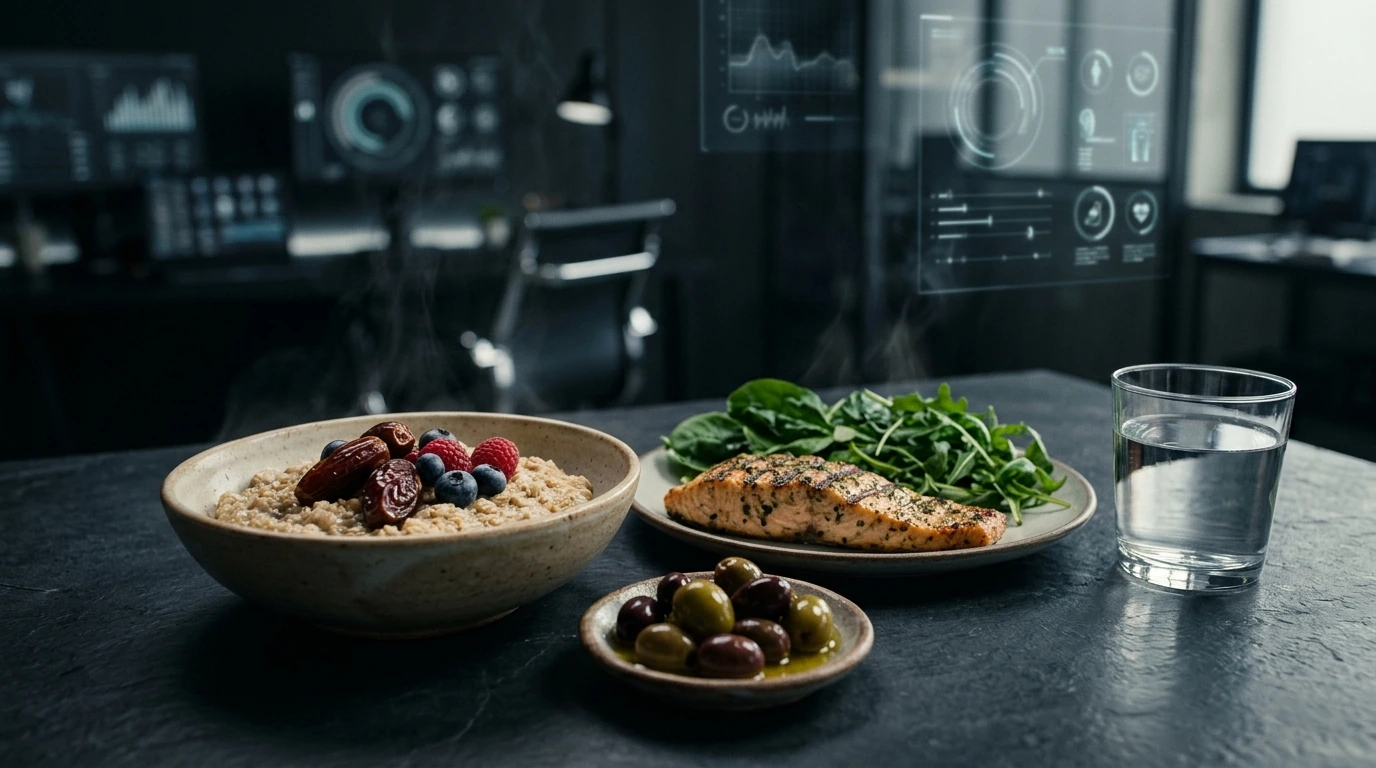
- Prioritize Whole Foods: The Prophetic diet largely consisted of natural, unprocessed foods. Focus on ingredients like whole grains (oats, barley), legumes (lentils, chickpeas), fresh fruits and vegetables, and healthy fats (olive oil). These are generally more affordable and offer superior nutritional value compared to highly processed alternatives.
- Embrace Moderation (Wasatiyyah): The Prophet (PBUH) taught to eat in moderation, filling one-third of the stomach with food, one-third with water, and leaving one-third for air. This principle helps prevent overeating, reduces food consumption, and thus contributes to budget savings.
- Strategic Hydration: Water was the primary beverage in Prophetic times. Drinking plenty of water is not only crucial for health but also a cost-free way to feel fuller and avoid sugary drinks, which can be both expensive and detrimental to health.
- Mindful Consumption: Pay attention to what you eat and avoid waste. The Sunnah encourages gratitude for food and discouraging waste. Planning meals and utilizing leftovers effectively directly translates to budget efficiency.
Practical Implementation: Meal Planning, Shopping, and Preparation
Translating these principles into daily practice requires a systematic approach to your food supply chain. Effective meal planning and smart grocery shopping are the pillars of budget-friendly healthy eating.
- Weekly Meal Planning: Dedicate time each week to plan all your meals, including snacks. This allows you to create a shopping list that minimizes impulse buys and ensures you only purchase what you need. Consider recipes that share common ingredients to reduce waste.
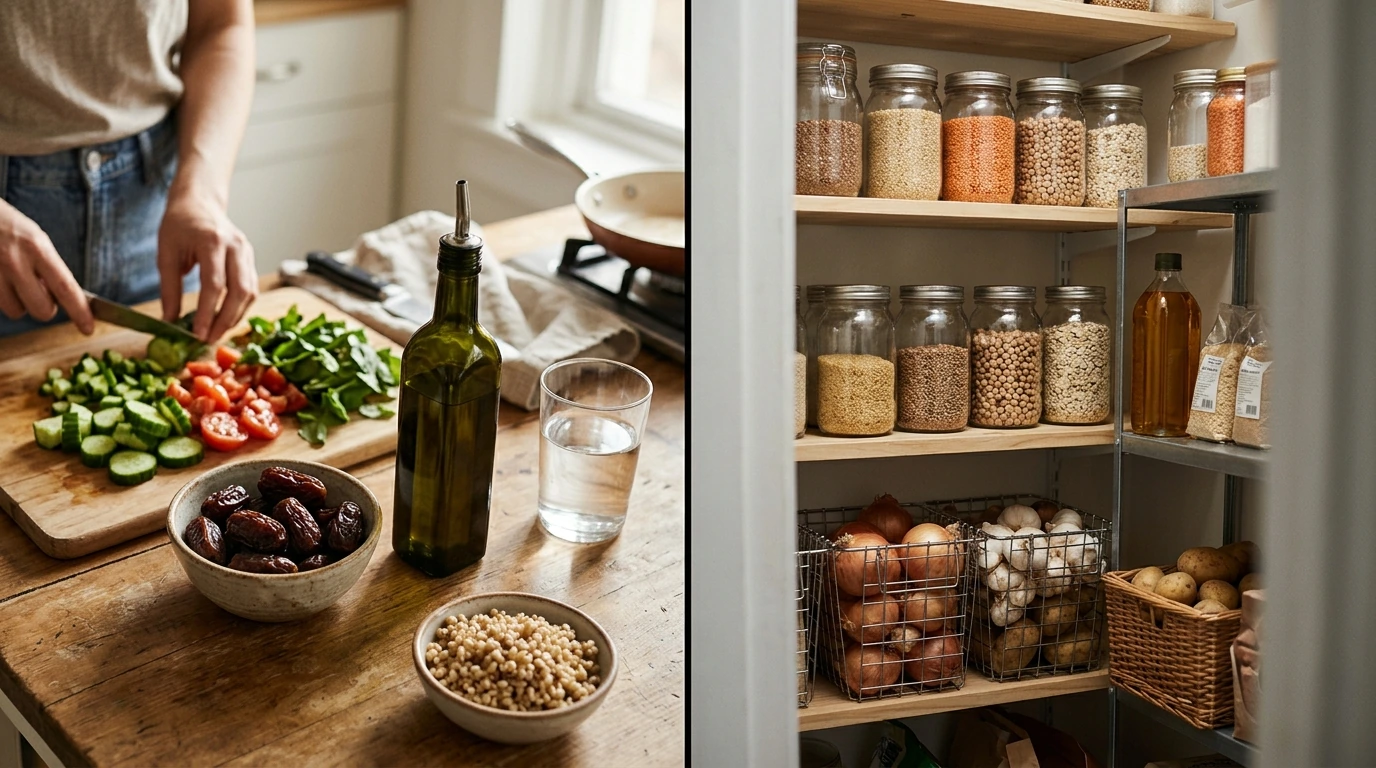
- Smart Grocery Shopping: Always shop with a list. Look for sales, buy in bulk for pantry staples (like rice, pasta, lentils) if storage permits, and choose seasonal fruits and vegetables, which are typically cheaper and fresher. Avoid pre-cut or convenience foods, as their cost premium is often significant.
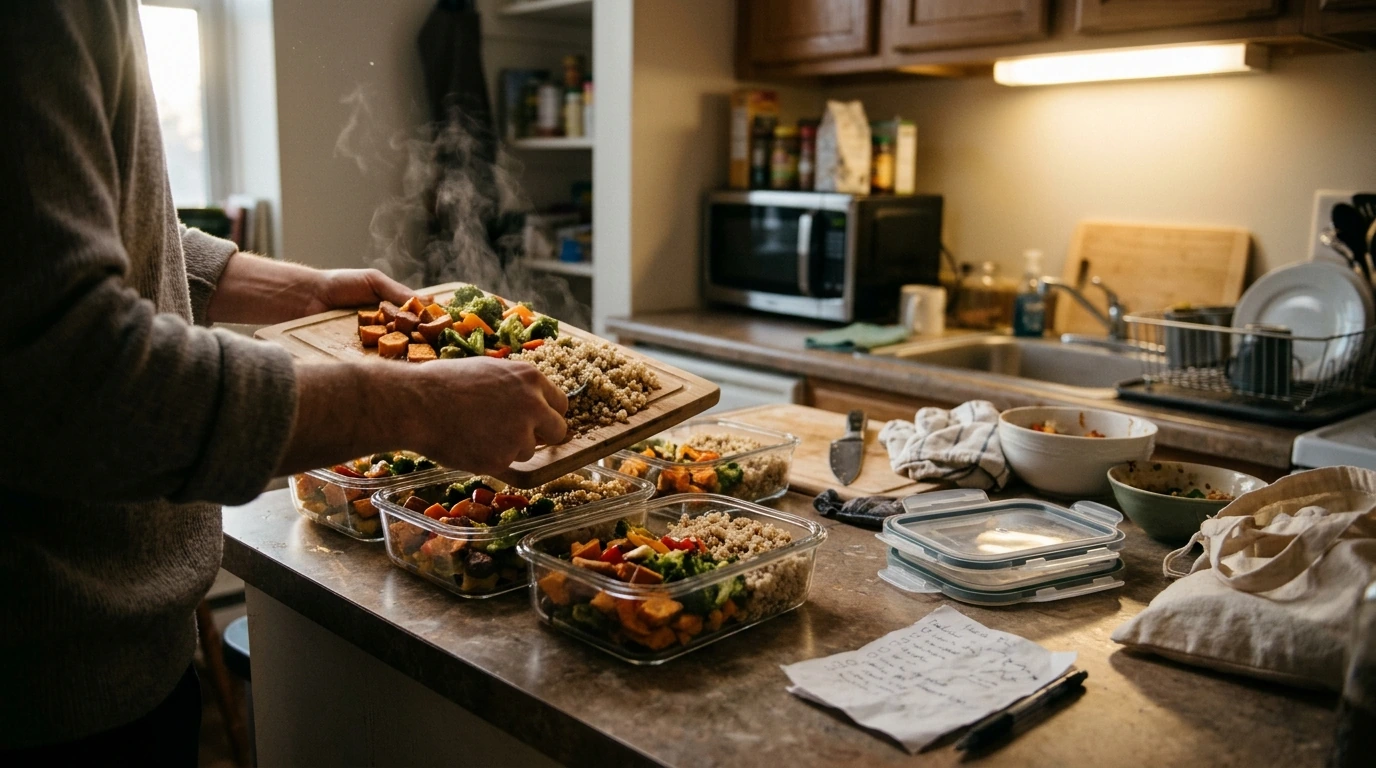
- Batch Cooking: Prepare larger quantities of staple foods like cooked grains, roasted vegetables, or lentil stews at the beginning of the week. These can be portioned and stored for quick, healthy meals throughout the week, saving time and energy.
- Utilize Budget-Friendly Protein Sources: Animal proteins can be expensive. Integrate plant-based proteins such as lentils, chickpeas, and beans, which are incredibly nutritious and economical. Eggs are another versatile and affordable protein option.
Pro Tip: The Power of ‘Sunnah Superfoods’
Incorporate foods frequently mentioned in the Sunnah for their health benefits and affordability. Dates, olive oil, barley, and honey are nutrient-dense and can be integrated into many budget-friendly meals. Dates, for example, provide natural sweetness and energy, reducing reliance on expensive processed snacks.
Assessing the Approach: Benefits and Challenges
Adopting a Prophetic-inspired, budget-conscious eating style for solo living offers numerous advantages, though it also comes with its own set of considerations.
Key Advantages:
- Significant Cost Savings: By focusing on whole ingredients and minimizing dining out, individuals can drastically reduce their monthly food expenses.
- Improved Health Outcomes: A diet rich in whole foods, lean proteins, and healthy fats supports better digestion, stable energy levels, and long-term disease prevention.
- Enhanced Culinary Skills: Learning to cook and prepare meals from scratch builds valuable life skills and fosters greater independence.
- Reduced Food Waste: Mindful planning and consumption directly contribute to less food ending up in the trash, aligning with ethical and environmental considerations.
Noticeable Considerations:
- Time Commitment: Meal planning, grocery shopping, and batch cooking require an initial investment of time that might be challenging for busy individuals.
- Requires Discipline: Sticking to a budget and healthy choices consistently demands self-discipline, especially when faced with convenience food temptations.
- Initial Learning Curve: For those new to cooking or meal planning, there can be a period of adjustment while learning new recipes and efficient kitchen routines.
Budget-Friendly Protein Sources: Prophetic vs. Common Modern Choices
Understanding where to source your protein affordably is crucial. Here's a comparison of options, highlighting the cost-effectiveness and nutritional value.
| Source Category | Example & Prophetic Alignment | Cost-Effectiveness | Nutritional Value (Key Benefits) |
|---|---|---|---|
| Prophetic-Aligned & Budget-Friendly | Lentils, Chickpeas, Barley, Oats (Prophetic staples, highly versatile) | Very High (Low cost per serving) | High protein, fiber, complex carbs, minerals. Excellent for satiety and gut health. |
| Prophetic-Aligned & Moderate Budget | Eggs (Consumed in Prophetic times, versatile), Milk/Yogurt (Dairy mentioned) | High (Good value for nutrient density) | Complete protein, essential vitamins/minerals (B12, D, Calcium). |
| Common Modern Budget (Less Ideal) | Instant Noodles, Processed Meats (Sausages, hot dogs) | Low to Moderate (Perceived cheap, but low nutrient value) | Often low protein, high sodium, unhealthy fats, artificial additives. Poor long-term health investment. |
Long-Term Health Investment: Is This Lifestyle For You?
Embracing a budget-conscious, Prophetic-inspired eating lifestyle is a definitive investment in your long-term health and financial stability. This approach is particularly well-suited for:
- Students and Young Professionals: Those with limited disposable income who want to avoid the "starving student" stereotype while maintaining peak mental and physical performance.
- Individuals Living Alone: Anyone responsible for their own meals who seeks to streamline their cooking process and maximize nutrient intake without excessive cost.
- Health-Conscious Individuals: People who prioritize whole, natural foods and wish to align their dietary choices with spiritual teachings for holistic well-being.
- Budget-Minded Families: While focused on solo living, many principles, such as bulk buying and meal planning, are highly transferable to family units looking to save money and eat healthier.
By adopting these practical, Prophetic-informed strategies, you are not merely saving money; you are building a foundation for lifelong wellness, resilience, and mindful living. The initial effort yields profound and lasting rewards.
Frequently Asked Questions
Q1: How can I make Prophetic foods like dates and olive oil budget-friendly?
A1: Purchase these items in larger quantities from ethnic markets or online suppliers, as they often offer better per-unit pricing. Use them mindfully as nutrient-dense additions rather than main components of every meal. For example, a few dates can sweeten oatmeal, and a drizzle of olive oil enhances a whole grain salad.
Q2: What are some quick, healthy meal ideas for busy solo living?
A2: Quick options include oatmeal with fruit and nuts, lentil soup (batch-cooked), scrambled eggs with spinach, whole wheat toast with hummus, or a simple salad with canned chickpeas and olive oil dressing. The key is minimal cooking time with pre-prepped ingredients.
Q3: How do I manage food waste when cooking for one person?
A3: Focus on recipes designed for single servings or those that freeze well. Portion out batch-cooked meals immediately into individual containers. Utilize ingredients fully, for example, using vegetable scraps for broth. Store fresh produce correctly to extend its shelf life, and be creative with leftovers.
Demikianlah Artikel The Prophetic Eating Checklist for Budget-Friendly Solo Living
Anda sekarang membaca artikel The Prophetic Eating Checklist for Budget-Friendly Solo Living dengan alamat link https://sharingkesehat.blogspot.com/2026/11/the-prophetic-eating-checklist-for.html