Mengungkap Rahasia Pola Makan Nabawi: Kunci Berat Badan Ideal Berkelanjutan -Assalamualaikum Hallo sahabat semua pecinta sharingkesehat, Pada Artikel yang anda baca kali ini dengan judul Mengungkap Rahasia Pola Makan Nabawi: Kunci Berat Badan Ideal Berkelanjutan, kami telah mempersiapkan artikel ini dengan baik untuk anda baca dan ambil informasi didalamnya. mudah-mudahan isi postingan
Artikel Sehat Ala Rasulullah, yang kami tulis ini dapat anda pahami. baiklah, selamat membaca.
Judul : Mengungkap Rahasia Pola Makan Nabawi: Kunci Berat Badan Ideal Berkelanjutan
link : Mengungkap Rahasia Pola Makan Nabawi: Kunci Berat Badan Ideal Berkelanjutan
Mengungkap Rahasia Pola Makan Nabawi: Kunci Berat Badan Ideal Berkelanjutan
Maintaining an ideal body weight is a goal for many, often pursued through various dietary trends. Yet, a time-tested approach rooted in ancient wisdom offers a profound framework for sustainable health: the eating patterns observed from the life of Prophet Muhammad (peace be upon him).
This methodology, far from being a restrictive diet, emphasizes balance, moderation, and mindful consumption, providing a holistic blueprint for well-being that aligns remarkably with modern nutritional science.
Key Takeaways
- Prophetic eating prioritizes whole, nutrient-dense foods and mindful consumption.
- Strategic portion control and avoidance of overeating are foundational principles.
- Intermittent fasting, as seen in voluntary fasts, supports metabolic health and weight management.
- Holistic well-being integrates balanced nutrition with physical activity and adequate rest.
Optimal Portioning: The Prophetic Approach to Food Intake
One of the most striking aspects of the Prophetic dietary guidance is its emphasis on moderation. The well-known principle of dividing the stomach into thirds—one-third for food, one-third for water, and one-third for air—serves as a powerful framework for preventing overconsumption. This isn't about deprivation; it's about achieving satiation without discomfort, a practice that naturally aids in maintaining a healthy weight.
- Embrace the 'Thuluth' Principle: Consciously aim to eat until you are satisfied, not full. This practice, when consistently applied, can reduce overall caloric intake by an estimated 10-15% per meal, fostering better digestion and preventing post-meal lethargy.
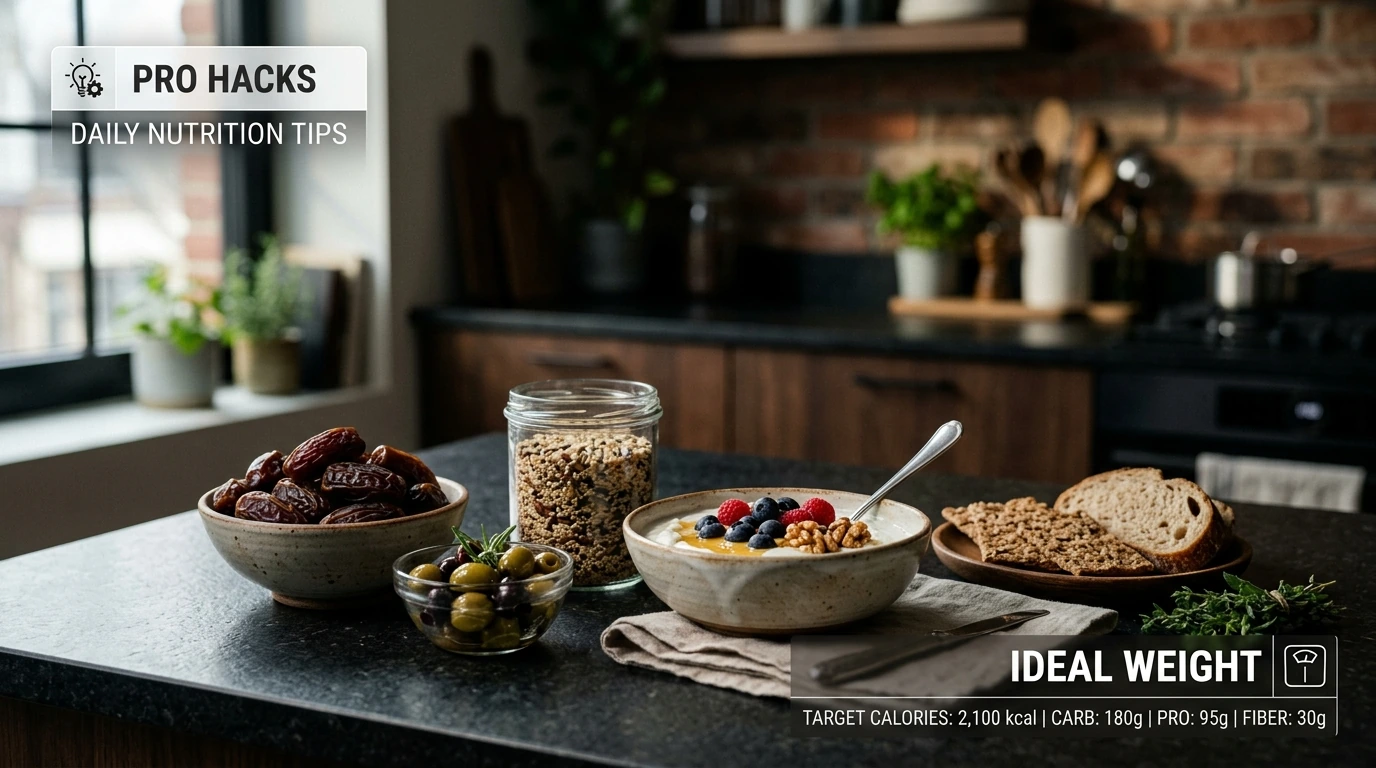
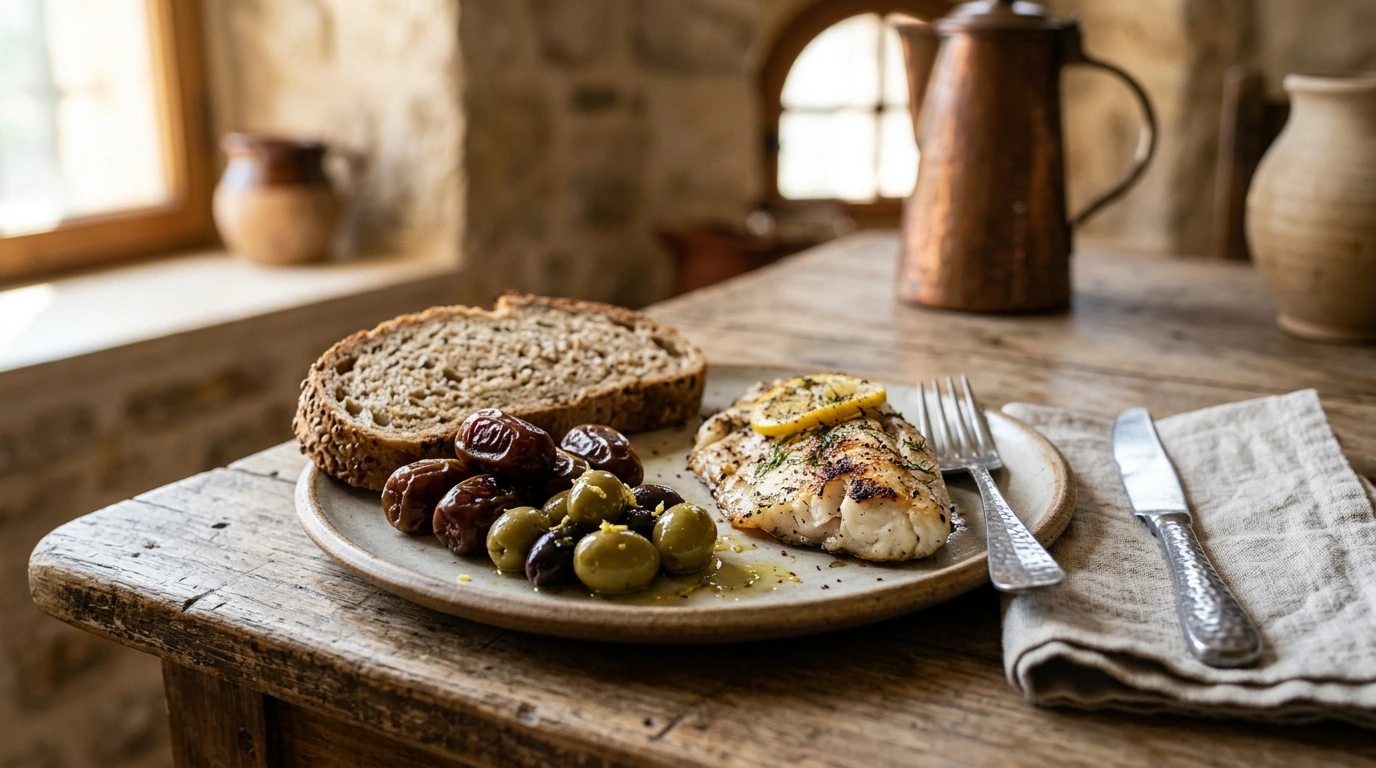
- Prioritize Whole, Unprocessed Foods: Integrate foods like dates, barley, olives, honey, and lean meats, which were staples in the Prophetic diet. These foods are typically rich in fiber, vitamins, and minerals, providing sustained energy and satiety. For instance, dates offer natural sugars alongside fiber, preventing rapid blood sugar spikes compared to refined sweets.
- Slow Down Your Eating: Give your body time to register fullness. Eating slowly, chewing thoroughly, and putting down utensils between bites can significantly enhance satiety signals, potentially leading to a 5-8% reduction in food consumed per sitting, as reported by nutritional studies.
Strategic Hydration and Fasting Cycles
Hydration is a cornerstone of health, and the Prophetic method offers specific guidance. Drinking water in small sips and before meals, rather than gulping large quantities, is a practice that aids digestion and can contribute to a feeling of fullness. Furthermore, the practice of voluntary fasting (Sunnah fasts) provides a natural form of intermittent fasting, a strategy widely recognized for its metabolic benefits.
- Mindful Water Intake: Consume water in small, deliberate sips throughout the day, particularly before and between meals. This approach supports optimal digestion and can help differentiate between hunger and thirst, potentially reducing unnecessary snacking. Drinking a glass of water before a meal can reduce caloric intake at that meal by up to 13%, according to research.
- Leverage Voluntary Fasting: Regular voluntary fasts, such as those on Mondays and Thursdays, or the 'Ayyam al-Beed' (white days), naturally incorporate periods of caloric restriction. These cycles have been observed to improve insulin sensitivity, enhance cellular repair processes (autophagy), and facilitate fat burning, all contributing to effective weight management.
- Break Fast Thoughtfully: Upon breaking a fast, begin with dates and water, followed by a light meal. This gentle reintroduction of nutrients prevents digestive shock and allows the body to gradually transition, optimizing nutrient absorption and minimizing overeating.

Cultivating Mindful Consumption Habits
Beyond what and how much is eaten, the manner of eating holds significant importance in Prophetic tradition. Mindful eating—savoring each bite, expressing gratitude, and stopping before complete fullness—transforms the act of eating into a conscious, nourishing experience. This deep connection to food and its source fosters a healthier relationship with sustenance, reducing tendencies towards emotional eating or mindless snacking.
- Engage All Senses: Before eating, take a moment to appreciate the food's appearance, aroma, and texture. This sensory engagement enhances satisfaction and helps to slow down the eating process, promoting better digestion and satiety.
- Practice Gratitude: Expressing thanks before and after meals reinforces a positive mindset towards food, moving away from scarcity or indulgence and towards appreciation. This subtle shift can reduce stress-induced eating patterns.
- Eat in Company: Sharing meals with family and friends can make eating a more social and less rushed affair. Conversations naturally slow down the pace of consumption, allowing for better recognition of fullness cues.
Pro Tip: The Power of Pre-Meal Water
Consuming a glass of water approximately 15-30 minutes before a meal is a simple yet effective strategy. It helps to hydrate the body, can reduce appetite, and aids in distinguishing true hunger from thirst, potentially leading to a more moderate food intake during the meal itself.

Synergy of Movement, Rest, and Nutrition
The Prophetic lifestyle advocates for a holistic approach to health, where diet is harmoniously integrated with physical activity and adequate rest. Movement, even in moderate forms, contributes significantly to metabolic health and calorie expenditure. Similarly, sufficient sleep supports hormonal balance, which directly influences appetite and weight regulation.
- Incorporate Regular, Moderate Movement: Engage in daily physical activity, such as walking, which was a common practice. Even 30 minutes of brisk walking most days of the week can improve cardiovascular health, boost metabolism, and aid in weight management.
- Prioritize Quality Sleep: Aim for 7-9 hours of restful sleep each night. Sleep deprivation can disrupt hormones like leptin and ghrelin, leading to increased appetite and cravings for unhealthy foods. Consistent sleep patterns support the body's natural regulatory systems.
- Seek Balance and Consistency: Rather than extreme measures, focus on consistent, sustainable practices across diet, movement, and rest. This balanced approach yields more lasting results for weight management and overall vitality.

Harmonizing Health and Faith: The Prophetic Modus Operandi for Sustained Vitality →
Nutrient Profile of Key Prophetic Foods
Understanding the nutritional value of foods commonly consumed in the Prophetic era helps underscore their role in maintaining health and ideal weight. These foods are generally nutrient-dense, providing essential vitamins, minerals, and fiber without excessive calories.
| Food Item | Key Nutrients | Modern Nutritional Benefit |
|---|---|---|
| Dates | Fiber, Potassium, Magnesium, Antioxidants | Supports digestion, energy, electrolyte balance, anti-inflammatory properties |
| Olives/Olive Oil | Monounsaturated Fats, Vitamin E, Antioxidants | Promotes heart health, anti-inflammatory effects, improves cholesterol profile |
| Barley (Talbinah) | Soluble Fiber, B Vitamins, Minerals | Aids digestive health, stabilizes blood sugar, provides sustained energy |
| Honey | Antioxidants, Prebiotics, Trace Minerals | Offers antimicrobial properties, supports immune function, natural energy source (in moderation) |
| Vinegar | Acetic Acid | May help regulate blood sugar, support digestion, and improve satiety |
Demikianlah Artikel Mengungkap Rahasia Pola Makan Nabawi: Kunci Berat Badan Ideal Berkelanjutan
Anda sekarang membaca artikel Mengungkap Rahasia Pola Makan Nabawi: Kunci Berat Badan Ideal Berkelanjutan dengan alamat link https://sharingkesehat.blogspot.com/2026/10/mengungkap-rahasia-pola-makan-nabawi.html