Navigating Cholesterol & Uric Acid: A Sunnah-Inspired Blueprint for Metabolic Wellness -Assalamualaikum Hallo sahabat semua pecinta sharingkesehat, Pada Artikel yang anda baca kali ini dengan judul Navigating Cholesterol & Uric Acid: A Sunnah-Inspired Blueprint for Metabolic Wellness, kami telah mempersiapkan artikel ini dengan baik untuk anda baca dan ambil informasi didalamnya. mudah-mudahan isi postingan
Artikel Sehat Ala Rasulullah, yang kami tulis ini dapat anda pahami. baiklah, selamat membaca.
Judul : Navigating Cholesterol & Uric Acid: A Sunnah-Inspired Blueprint for Metabolic Wellness
link : Navigating Cholesterol & Uric Acid: A Sunnah-Inspired Blueprint for Metabolic Wellness
Navigating Cholesterol & Uric Acid: A Sunnah-Inspired Blueprint for Metabolic Wellness
For many individuals globally, maintaining optimal metabolic health presents an ongoing challenge. Elevated levels of cholesterol and uric acid, often linked to modern lifestyles, are conditions that warrant careful management. Fortunately, the timeless wisdom embedded within the Sunnah of Prophet Muhammad (peace be upon him) offers a profound and holistic framework for addressing these concerns, aligning seamlessly with contemporary scientific understanding of wellness.

The Sunnah Approach: A Holistic Strategy for Metabolic Health
The Sunnah lifestyle provides a comprehensive, natural pathway to managing and potentially preventing elevated cholesterol and uric acid levels. This approach integrates balanced nutrition, regular physical activity, mindful eating, and spiritual well-being, offering a sustainable model for long-term health. It emphasizes moderation and purity, principles that resonate deeply with both faith and physiology. By adopting these practices, individuals can foster an internal environment conducive to metabolic balance, reducing reliance on external interventions where appropriate and under medical guidance.
Foundational Pillars of Sunnah Health for Metabolic Balance
The core of the Sunnah's effectiveness against metabolic imbalances lies in its emphasis on several key practices:
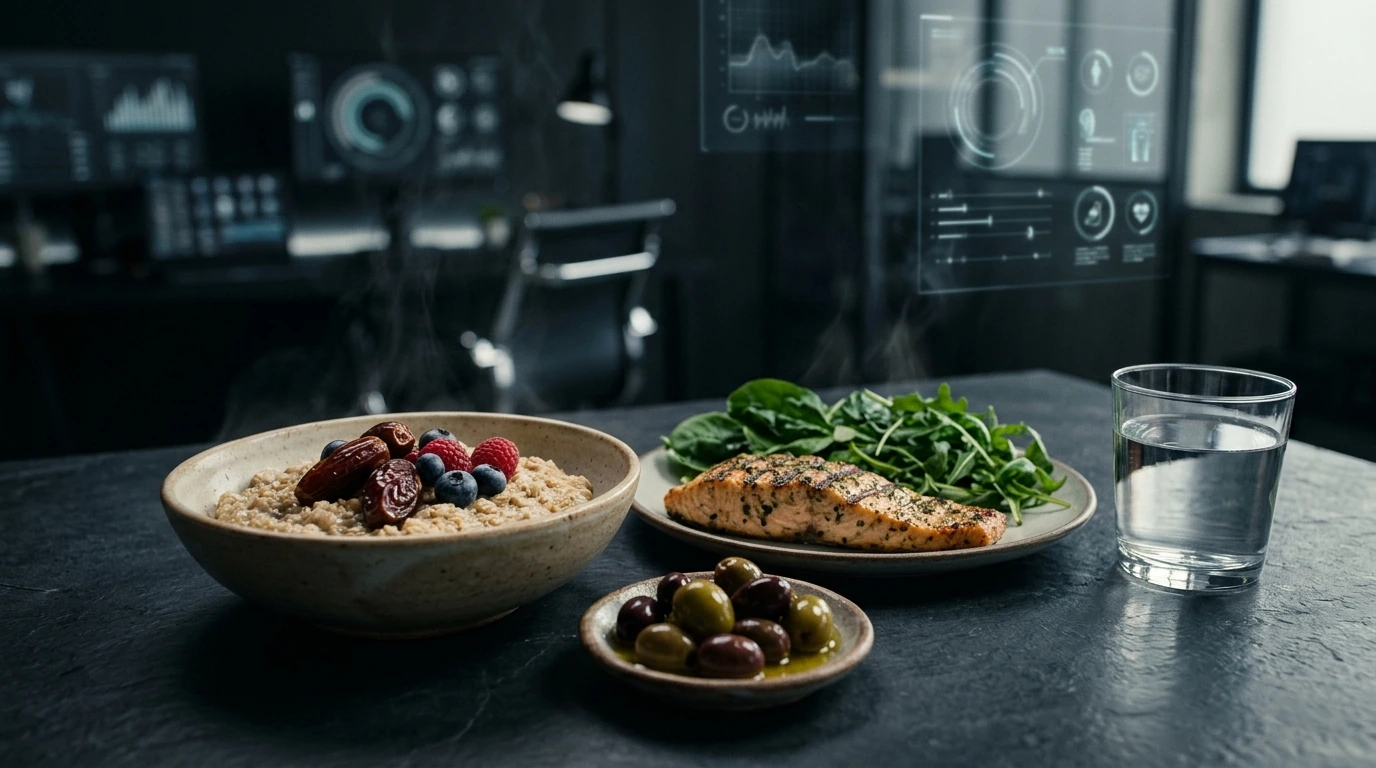
- Dietary Moderation and Wholesome Foods: The Prophet (PBUH) advocated for eating in moderation, famously stating, "The son of Adam does not fill any vessel worse than his stomach." Foods like dates, olive oil, barley, honey, and vinegar were part of his diet, known today for their antioxidant, anti-inflammatory, and fiber-rich properties. For instance, the soluble fiber in barley can help lower LDL (bad) cholesterol, while olive oil, rich in monounsaturated fats, supports cardiovascular health.
- Consistent Hydration: Drinking water regularly, often in sips, was a Sunnah practice. Adequate hydration is crucial for kidney function, aiding in the excretion of uric acid and supporting overall metabolic processes.
- Physical Activity: The Prophet (PBUH) encouraged walking, horse riding, and archery. Regular, moderate physical activity is widely recognized to improve lipid profiles, reduce insulin resistance, and facilitate uric acid excretion, thereby lowering the risk of gout and cardiovascular disease.
- Mindful Eating and Fasting: Eating slowly, chewing food thoroughly, and stopping before feeling completely full are Sunnah etiquettes. Additionally, voluntary fasting, such as on Mondays and Thursdays, can promote cellular repair, improve insulin sensitivity, and positively impact metabolic markers.
- Stress Reduction Through Spiritual Practices: Prayer (Salat), remembrance of Allah (Dhikr), and recitation of the Quran are central to Islamic life. These practices are powerful tools for managing stress, which is known to exacerbate metabolic conditions by influencing hormone levels and inflammation.

Embracing the Sunnah Lifestyle: Daily Application for Health
Implementing Sunnah principles into daily life for metabolic health involves practical, consistent steps:
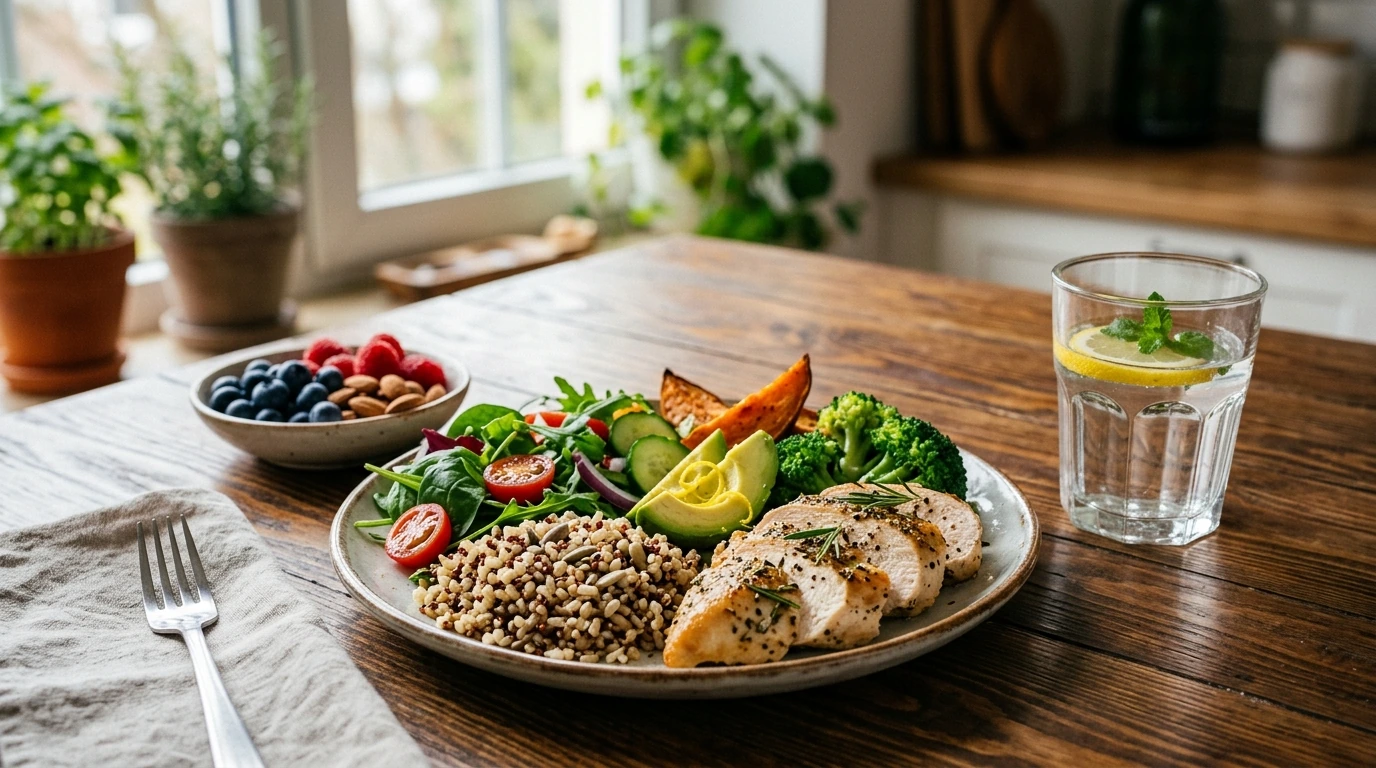
- Conscious Food Choices: Prioritize whole, unprocessed foods. Incorporate Sunnah staples like dates (in moderation due to sugar content), extra virgin olive oil, and whole grains like barley. Limit intake of red meat, sugary drinks, and highly processed foods, which are known contributors to high cholesterol and uric acid.
- Structured Hydration: Make a habit of drinking water throughout the day, particularly before and between meals, as advised by Sunnah practices. Aim for at least 8 glasses of water daily, adjusting for activity levels and climate, to support kidney function and toxin elimination.
- Integrate Movement: Commit to daily walks, even short ones. Regular trips to the mosque for congregational prayers naturally incorporate walking. Consider more vigorous activities like cycling or swimming, which align with the spirit of physical strength encouraged in Islam.
- Mindful Eating Habits: Eat slowly, savoring each bite. Stop eating when you feel satisfied, not overly full. This practice helps in better digestion and prevents overconsumption, crucial for weight management and metabolic control.
- Spiritual Grounding: Dedicate time for prayer, Quran recitation, and Dhikr. These practices cultivate inner peace, reducing the physiological impact of stress on the body, which can otherwise contribute to metabolic dysfunction.

Advantages and Considerations of a Sunnah-Centric Health Regimen
Adopting a Sunnah-inspired approach to health offers numerous benefits, alongside some practical considerations:
Advantages:
- Holistic Well-being: This approach addresses not only physical symptoms but also mental and spiritual health, providing a comprehensive path to wellness.
- Sustainability: Rooted in timeless principles, these practices are generally sustainable and adaptable to various life stages, fostering long-term healthy habits.
- Cost-Effective: Emphasizing whole foods, moderation, and natural movement often translates to lower healthcare and grocery costs compared to highly processed diets or extensive medical interventions.
- Spiritual Alignment: For Muslim readers, aligning health practices with faith can enhance motivation and provide a deeper sense of purpose in their wellness journey.
- Preventative Focus: The emphasis on moderation and healthy habits naturally leans towards prevention, potentially reducing the incidence of chronic metabolic diseases.
Considerations:
- Discipline Required: Shifting away from modern dietary and lifestyle norms demands consistent effort and self-discipline.
- Integration with Medical Advice: While powerful, Sunnah practices should complement, not replace, professional medical advice, especially for individuals already diagnosed with high cholesterol or uric acid. Always consult a qualified healthcare provider.
- Navigating Modern Food Environments: The abundance of convenient, unhealthy options in contemporary society can pose challenges to adhering strictly to Sunnah dietary principles.
- Knowledge and Interpretation: Proper understanding of Sunnah practices and their application to modern health is crucial to avoid misinterpretations or imbalances.

Mengurai Pola Tidur Nabi: Solusi Holistik Mengatasi Insomnia dan Stres di Era Modern →
Long-Term Wellness: The Enduring Value of Sunnah Health
The enduring value of integrating Sunnah principles into metabolic health management extends beyond mere symptom control; it offers a blueprint for a life of sustained vitality and spiritual fulfillment. This approach cultivates a deeper appreciation for the body as an amanah (trust) from Allah, encouraging responsible stewardship through healthy choices.
Individuals seeking a holistic, faith-based pathway to manage or prevent elevated cholesterol and uric acid levels will find this regimen particularly beneficial. It is also ideal for those looking for sustainable lifestyle changes that resonate with their spiritual identity, and anyone interested in the profound intersection of Islamic tradition and contemporary health science. By embracing this approach, one invests in a future of improved quality of life, reduced risk of chronic diseases, and a stronger connection to the Sunnah of the Prophet (PBUH).
Demikianlah Artikel Navigating Cholesterol & Uric Acid: A Sunnah-Inspired Blueprint for Metabolic Wellness
Anda sekarang membaca artikel Navigating Cholesterol & Uric Acid: A Sunnah-Inspired Blueprint for Metabolic Wellness dengan alamat link https://sharingkesehat.blogspot.com/2026/10/navigating-cholesterol-uric-acid-sunnah.html