Navigating Wellness in 2026: The Economic Realities of Prophetic Health Practices -Assalamualaikum Hallo sahabat semua pecinta sharingkesehat, Pada Artikel yang anda baca kali ini dengan judul Navigating Wellness in 2026: The Economic Realities of Prophetic Health Practices, kami telah mempersiapkan artikel ini dengan baik untuk anda baca dan ambil informasi didalamnya. mudah-mudahan isi postingan
Artikel Sehat Ala Rasulullah, yang kami tulis ini dapat anda pahami. baiklah, selamat membaca.
Judul : Navigating Wellness in 2026: The Economic Realities of Prophetic Health Practices
link : Navigating Wellness in 2026: The Economic Realities of Prophetic Health Practices
Navigating Wellness in 2026: The Economic Realities of Prophetic Health Practices
Adopting health practices inspired by the teachings of Rasulullah offers a remarkably cost-effective pathway to holistic wellness in 2026, often requiring minimal financial outlay compared to many contemporary health trends.
Key Takeaways:
- Prophetic health practices are inherently budget-friendly, focusing on natural foods and lifestyle choices over expensive interventions.
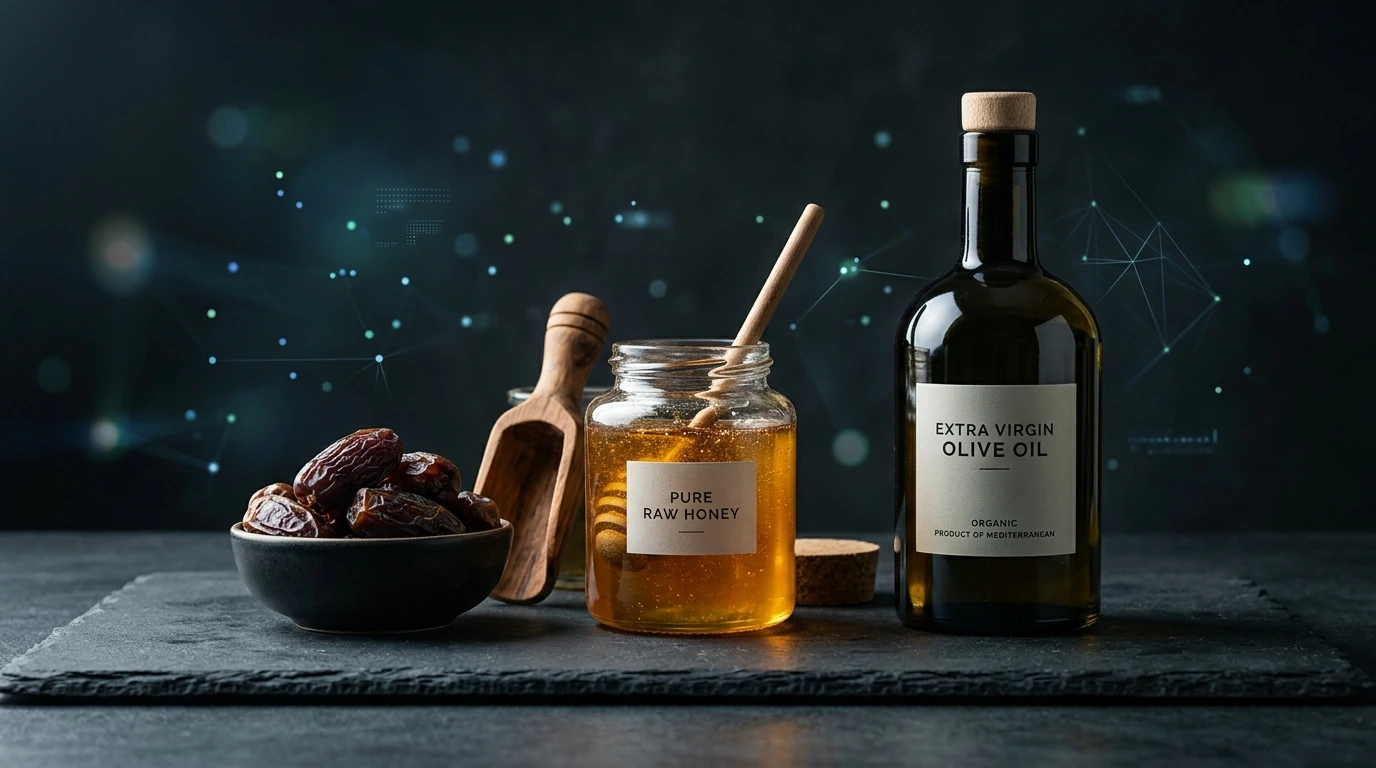
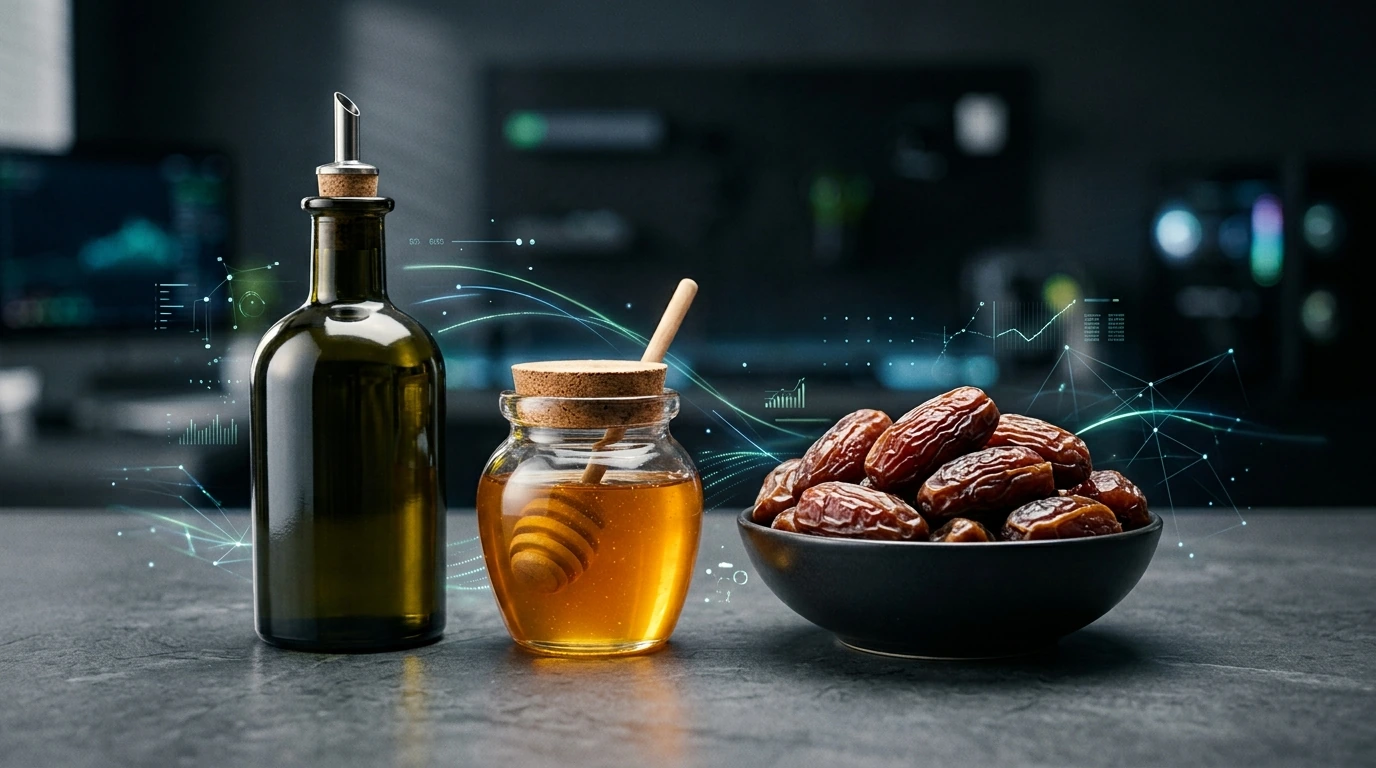
- Investing in quality staples like dates, olive oil, and honey yields significant long-term health dividends, reducing future healthcare costs.
- Mindful consumption and avoiding processed foods, a core tenet, is a direct cost-saving strategy.
- The economic benefits extend beyond direct savings, encompassing improved productivity and reduced illness-related expenditures.
Foundational Principles and Their Economic Merit
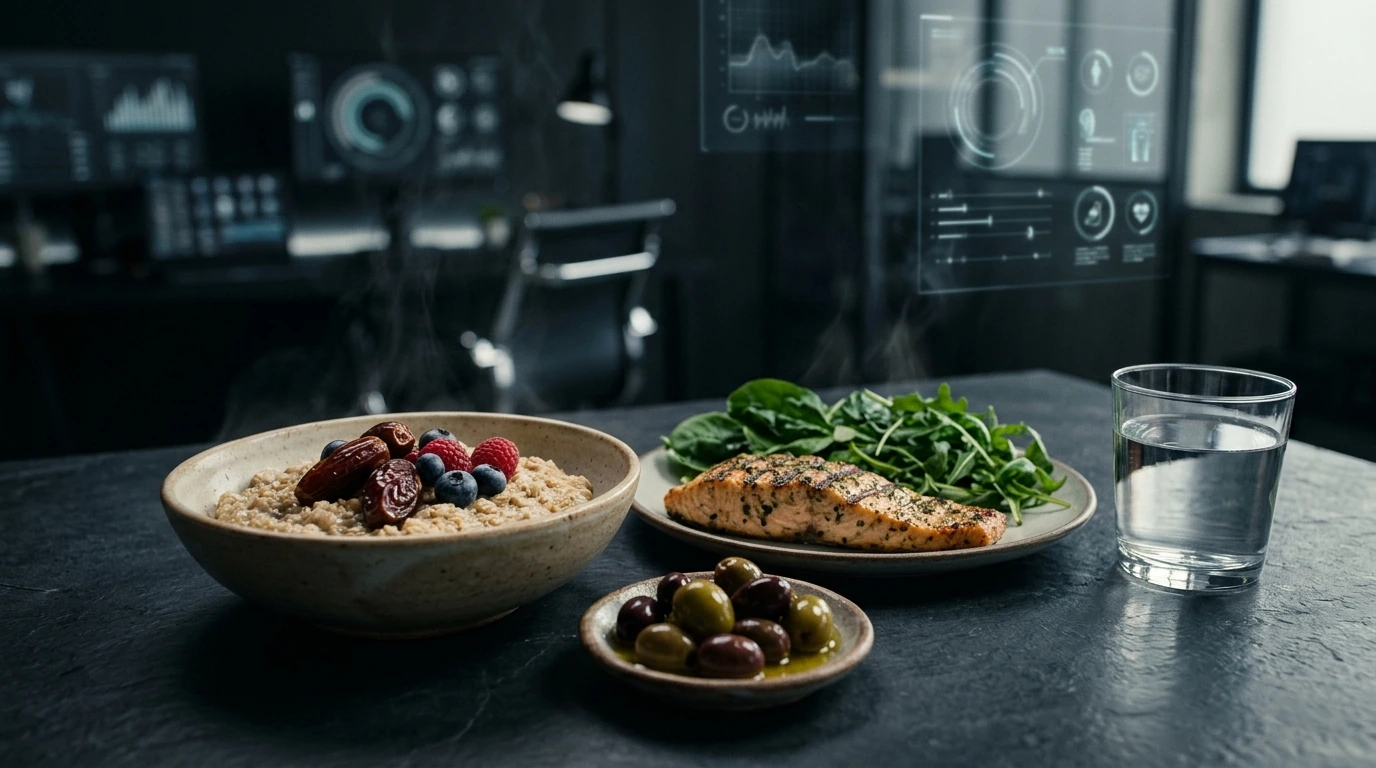
The core tenets of Sehat Ala Rasulullah emphasize moderation, natural foods, physical activity, and spiritual well-being. From an economic perspective, these principles are inherently sustainable and accessible. For instance, the emphasis on whole, unprocessed foods like fruits, vegetables, and grains, when sourced locally and seasonally, consistently proves more affordable than diets heavy in packaged, processed items or trendy supplements. Regular, moderate physical activity, such as walking, requires no gym membership or specialized equipment, representing zero direct financial cost while delivering profound cardiovascular and mental health benefits.
Fasting, a cornerstone of Islamic practice, also offers a unique economic advantage. Beyond its spiritual and physiological benefits, intermittent fasting, as practiced in various forms including the Sunnah, naturally reduces food consumption frequency, leading to direct savings on grocery bills. This isn't about deprivation, but about mindful eating patterns that align with the body's natural rhythms and reduce caloric intake without sacrificing nutritional quality.

Key Prophetic Foods: Sourcing, Quality, and Current Market Prices
Several foods are prominently mentioned in Prophetic traditions for their health benefits. Understanding their current market dynamics is crucial for cost-effective integration:
| Food Item | Typical 2026 Price Range (per unit) | Economic Value & Sourcing Tip |
|---|---|---|
| Dates (Medjool/Deglet Noor) | USD $8-15/lb (Medjool), $5-10/lb (Deglet Noor) | Excellent natural sweetener and fiber source. Buy in bulk from specialty stores or online for better value. |
| Raw Honey | USD $12-25/lb | Antioxidant-rich, anti-inflammatory. Support local beekeepers for quality and often better pricing. |
| Extra Virgin Olive Oil | USD $15-30/liter (high quality) | Heart-healthy fats. Look for cold-pressed, single-origin varieties. Larger bottles offer better unit cost. |
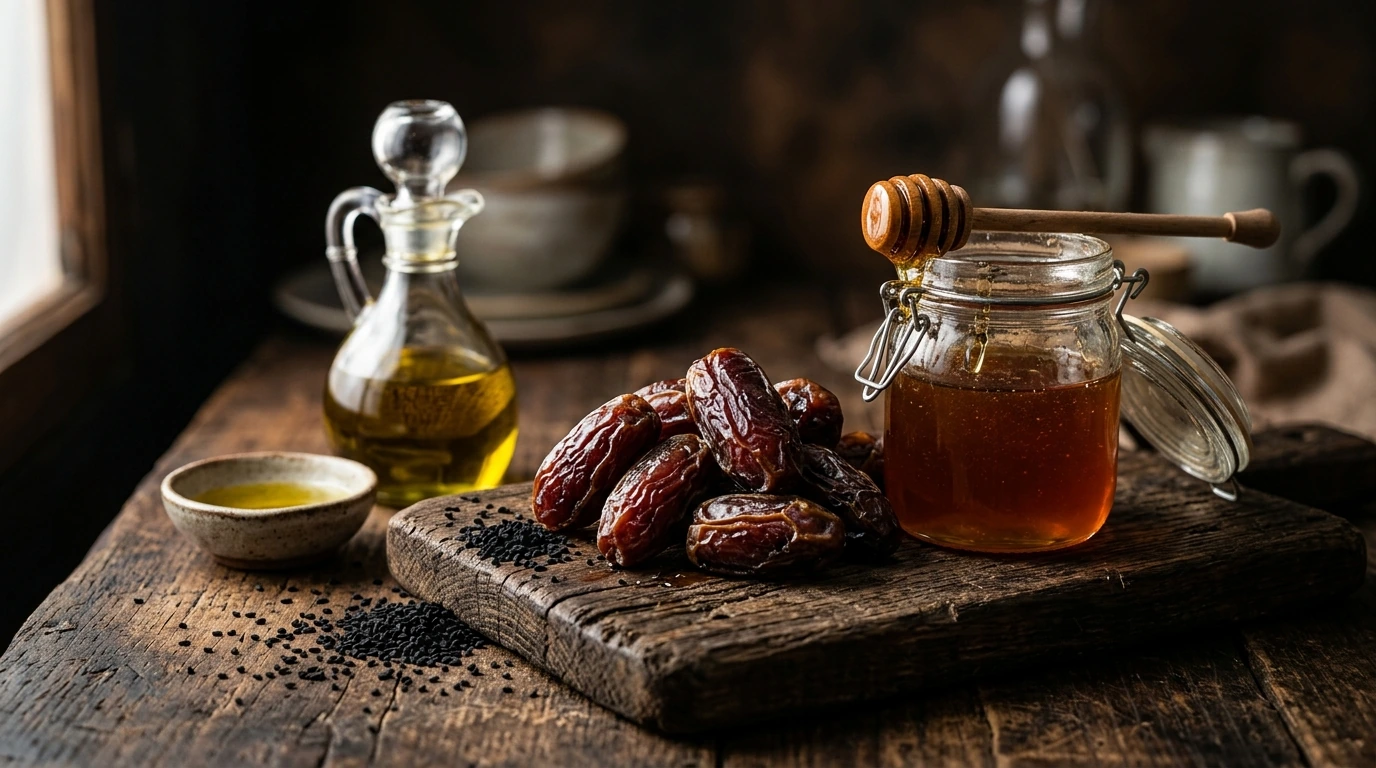
| Black Seed (Nigella Sativa) | USD $10-20/4oz (seeds), $20-40/4oz (oil) | Immune support. Seeds are more economical; grind fresh. Oil offers higher concentration but is pricier. |
While prices can fluctuate based on region and organic certification, the long-term health benefits often outweigh the initial investment. Prioritizing quality over the absolute lowest price for these staples ensures maximum nutritional return.
Integrating Sunnah Practices into Modern Budgets
Beyond specific foods, the Sunnah offers a wealth of practices that contribute to overall well-being with minimal financial burden:
- Mindful Eating & Portion Control: Eating slowly, stopping before feeling completely full, and sharing meals are practices that naturally regulate intake and reduce food waste, leading to direct savings.
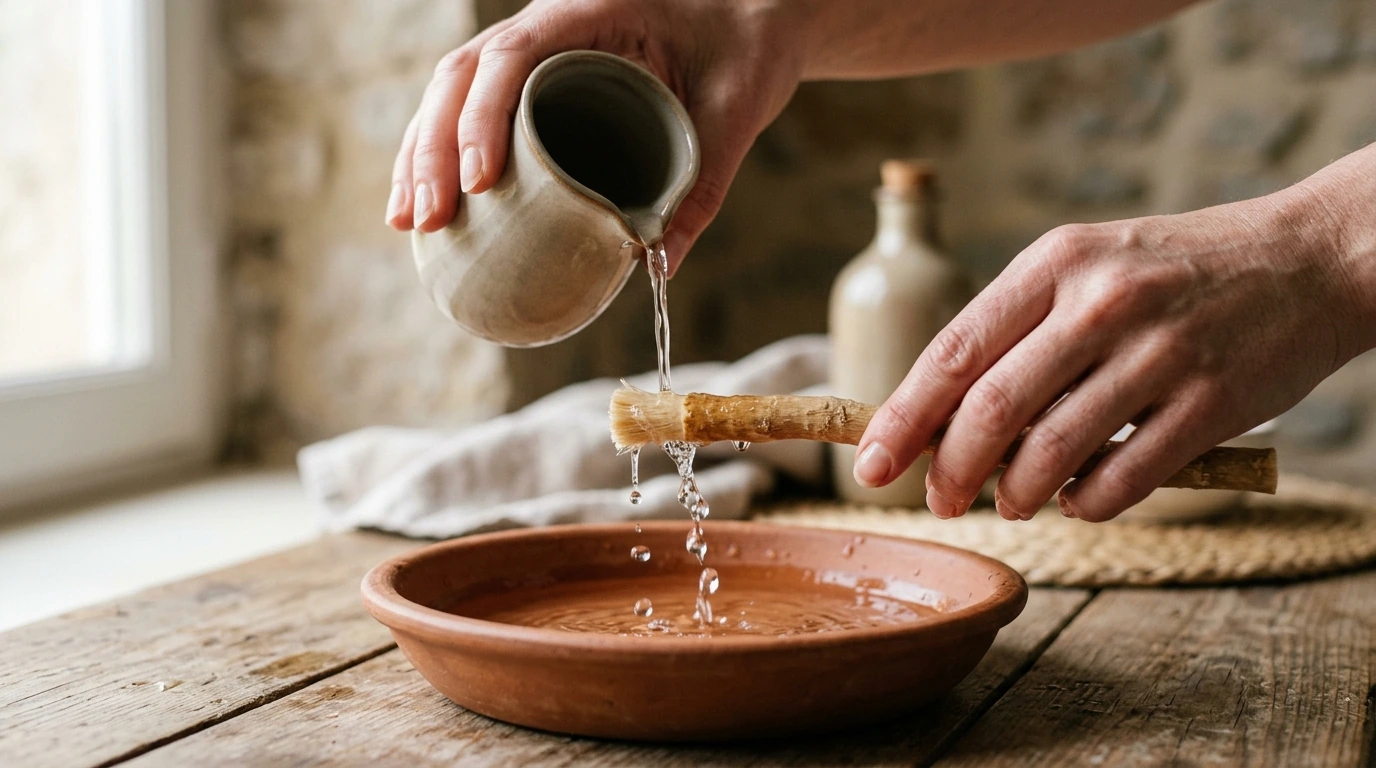
- Natural Hygiene (Miswak): The miswak stick, a natural toothbrush, is significantly cheaper than conventional toothbrushes and toothpaste over time, offering comparable oral health benefits according to various dental studies.
- Hydration with Water: Prioritizing water over sugary drinks or expensive bottled beverages is a fundamental, free, and highly effective health strategy.
- Herbal Remedies: For minor ailments, traditional remedies using readily available herbs (e.g., ginger, turmeric, mint) can often be prepared at home for a fraction of the cost of over-the-counter pharmaceuticals.
PRO TIP: Beware of Overpriced 'Islamic Superfoods'
While genuine Prophetic foods are beneficial, the market sometimes features highly marked-up 'superfood' versions or proprietary blends with exaggerated claims. Always verify the source, ingredient list, and compare prices. Often, the simplest, unadulterated form of the food or herb is the most effective and economical.
Long-Term Economic and Health Dividends
The true economic power of adopting Sehat Ala Rasulullah practices lies in their preventative nature. A lifestyle centered on moderation, natural nutrition, and regular activity significantly reduces the risk of chronic diseases such as type 2 diabetes, cardiovascular issues, and certain cancers. In 2026, with healthcare costs continuing their upward trajectory globally, avoiding or delaying the onset of such conditions translates into substantial long-term savings on medical treatments, prescriptions, and specialist consultations.
Furthermore, improved health leads to increased productivity, fewer sick days, and a greater capacity for engaging in work and community life. This enhanced human capital has a tangible, positive impact on personal finances and broader economic stability. The investment in these practices is not just in food or simple tools, but in a resilient, healthy future.
Frequently Asked Questions
Is a Prophetic diet expensive to maintain?
No, quite the opposite. By focusing on whole, unprocessed foods, and reducing reliance on costly packaged goods, a diet inspired by Prophetic teachings can be very economical. Sourcing locally and seasonally further enhances affordability.
Can I combine these practices with modern medicine?
Absolutely. Prophetic health principles are complementary to conventional medicine. They emphasize a healthy lifestyle as a foundation, which can support and enhance the efficacy of medical treatments when needed. Always consult healthcare professionals for serious conditions.
What are the initial investment costs for adopting these practices?
Initial costs are typically minimal. They might include purchasing quality staples like dates, olive oil, and honey, or a miswak stick. The primary 'investment' is often time and commitment to lifestyle changes rather than significant financial outlay.
Navigating Cholesterol & Uric Acid: A Sunnah-Inspired Blueprint for Metabolic Wellness →
Charting a Course for Sustainable Well-being
Embracing the wisdom of Sehat Ala Rasulullah in 2026 offers a powerful and economically intelligent approach to health. It's not about complex regimens or expensive fads, but a return to foundational principles of moderation, natural nutrition, and mindful living. By understanding the current costs of key components and strategically integrating these practices, individuals can secure significant long-term health and financial benefits. The path to well-being, rooted in timeless wisdom, remains remarkably accessible and sustainable.
Demikianlah Artikel Navigating Wellness in 2026: The Economic Realities of Prophetic Health Practices
Anda sekarang membaca artikel Navigating Wellness in 2026: The Economic Realities of Prophetic Health Practices dengan alamat link https://sharingkesehat.blogspot.com/2026/10/navigating-wellness-in-2026-economic.html