How Can Beginners Design a Balanced Plate, Guided by Prophetic Nutrition Principles? -Assalamualaikum Hallo sahabat semua pecinta sharingkesehat, Pada Artikel yang anda baca kali ini dengan judul How Can Beginners Design a Balanced Plate, Guided by Prophetic Nutrition Principles?, kami telah mempersiapkan artikel ini dengan baik untuk anda baca dan ambil informasi didalamnya. mudah-mudahan isi postingan
Artikel Sehat Ala Rasulullah, yang kami tulis ini dapat anda pahami. baiklah, selamat membaca.
Judul : How Can Beginners Design a Balanced Plate, Guided by Prophetic Nutrition Principles?
link : How Can Beginners Design a Balanced Plate, Guided by Prophetic Nutrition Principles?
How Can Beginners Design a Balanced Plate, Guided by Prophetic Nutrition Principles?
Embarking on a journey toward healthier eating can feel overwhelming, especially when confronted with myriad dietary advice. A foundational approach involves understanding balanced portioning, a concept effectively summarized by modern guidelines like 'Isi Piringku' (My Plate), which finds remarkable synergy with the timeless wisdom embedded in Prophetic traditions. This guide aims to demystify balanced eating for newcomers, offering actionable strategies to nourish the body in alignment with principles of moderation and wholesome sustenance.

Structuring Your Balanced Plate: The 'Isi Piringku' Framework
The 'Isi Piringku' guideline, a national recommendation for balanced nutrition, simplifies meal planning by visually dividing a plate into ideal proportions for each food group. This framework provides a practical blueprint for beginners to ensure adequate intake of macronutrients and micronutrients, mirroring the Prophetic emphasis on moderation and variety in sustenance.
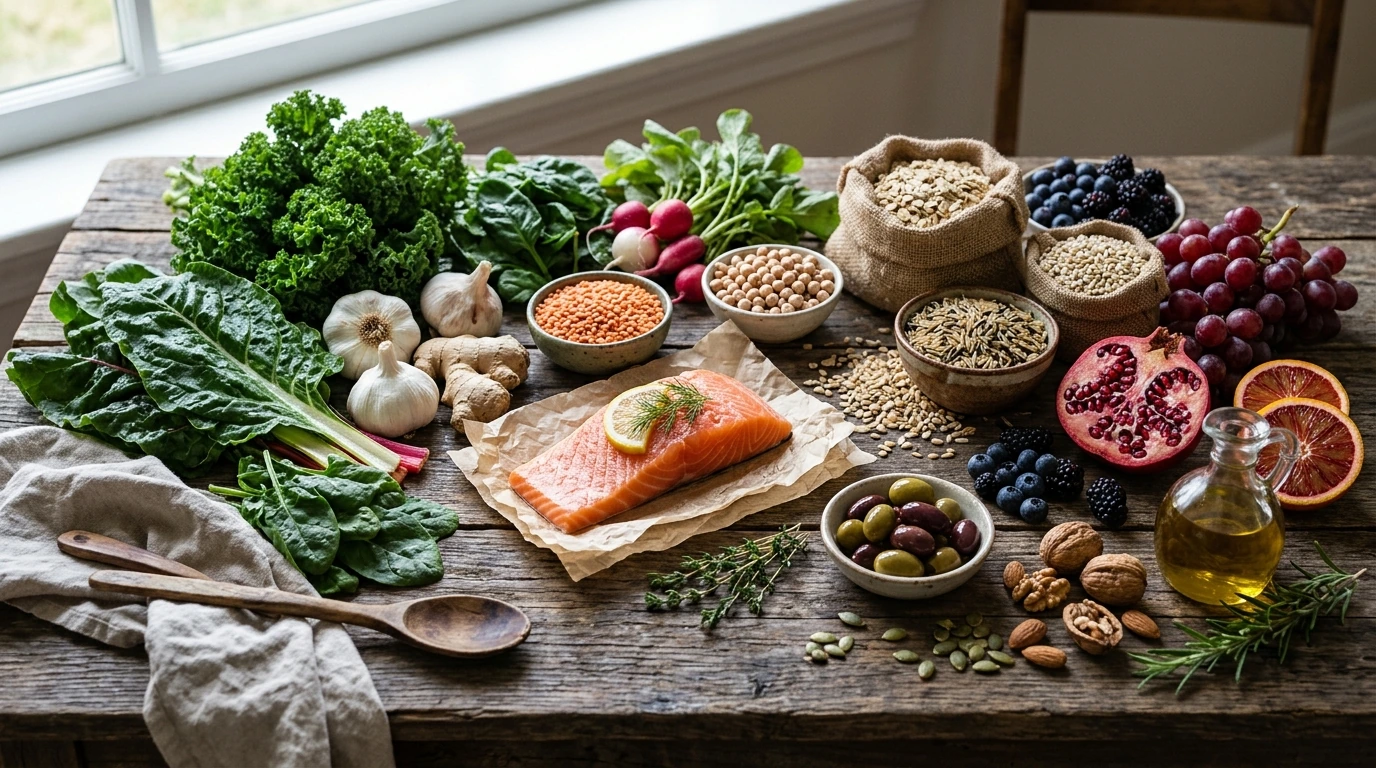
- Half Your Plate: Fruits and Vegetables. Dedicate approximately half of your plate to a colorful array of fruits and vegetables. These are rich in vitamins, minerals, and fiber, contributing significantly to digestive health and overall vitality. Prophetic teachings consistently highlight the benefits of natural produce, encouraging consumption of items like dates, pomegranates, and various leafy greens.
- A Quarter Plate: Grains. Allocate about a quarter of your plate to whole grains such as brown rice, whole wheat bread, oats, or barley. Whole grains provide complex carbohydrates for sustained energy and are a good source of fiber. The Prophet Muhammad (peace be upon him) consumed barley bread, acknowledging its nutritional value.
- The Remaining Quarter: Protein. Fill the final quarter with lean protein sources. This includes poultry, fish, eggs, legumes, or tofu. Protein is essential for muscle repair, growth, and satiety. The Sunnah encourages lean protein sources, such as fish and certain meats, consumed in moderation.
- Complement with Healthy Fats and Hydration. While not directly on the 'Isi Piringku' plate diagram, incorporating healthy fats (like olive oil, nuts, avocados) and prioritizing water intake throughout the day are crucial. Olive oil, in particular, is mentioned in Prophetic tradition for its health benefits.
Comparative Glance: 'Isi Piringku' Proportions and Prophetic Principles
While 'Isi Piringku' offers a visual guide, understanding the underlying nutritional rationale and its resonance with Prophetic dietary wisdom can deepen appreciation for balanced eating.
| Food Group (Isi Piringku) | Recommended Plate Proportion | Key Nutritional Benefits | Alignment with Prophetic Principles |
|---|---|---|---|
| Fruits and Vegetables | ~50% of your plate | Vitamins, minerals, fiber, antioxidants. Supports digestion and immunity. | Emphasis on natural, wholesome foods. Consumption of dates, pomegranates, and various greens were common. |
| Grains (Whole) | ~25% of your plate | Complex carbohydrates for energy, fiber. | Barley bread was a staple. Focus on sustained energy rather than quick sugars. |
| Protein (Lean) | ~25% of your plate | Muscle repair, satiety, enzymes, hormones. | Moderation in meat consumption; preference for fish and lean meats when consumed. |
| Healthy Fats & Hydration | Complementary (not on plate diagram) | Essential fatty acids, nutrient absorption, cell health, metabolic function. | Olive oil highly regarded. Emphasis on drinking water, especially on an empty stomach. |
Advanced Optimization: Mindful Eating and Meal Timing
Moving beyond basic portioning, integrating mindful eating practices and strategic meal timing can significantly enhance the benefits of a balanced diet. The Prophetic tradition offers profound insights into these areas, emphasizing conscious consumption and avoiding excess.
- Practice Mindful Consumption: The Sunnah encourages eating slowly, chewing thoroughly, and appreciating the food. This practice aids digestion, promotes satiety, and prevents overeating. Modern nutrition science confirms that eating mindfully helps the body register fullness signals more effectively, typically leading to a more appropriate calorie intake and better digestive outcomes.
- Eat to Live, Not Live to Eat: A core Prophetic principle advises filling one-third of the stomach with food, one-third with water, and leaving one-third empty. This practical guideline directly addresses portion control and prevents the discomfort and sluggishness associated with overindulgence. Adhering to this can lead to improved energy levels and reduced digestive strain, as widely reported by individuals adopting such practices.
- Strategic Meal Timing: While not advocating for strict fasting outside of religious obligations, the general principle of not eating until true hunger sets in, and stopping before complete fullness, aligns with concepts of intermittent fasting or time-restricted eating gaining traction in modern health circles. This approach can support metabolic flexibility and healthy weight management by allowing the digestive system adequate rest.
PRO TIP: Prioritize Whole, Unprocessed Foods
Regardless of specific portioning, the most impactful dietary change is to consistently choose whole, unprocessed foods over their refined counterparts. This aligns perfectly with the Prophetic diet, which was inherently rich in natural ingredients and devoid of modern processed additives. Focus on fresh produce, lean proteins, and unrefined grains to maximize nutrient density and minimize harmful constituents.
Rapid Efficiency Recap for Balanced Eating
To quickly integrate these principles into your daily routine, consider these actionable steps:
- Visualize Your Plate: Before every meal, mentally (or physically) divide your plate according to the 'Isi Piringku' proportions: half fruits/vegetables, a quarter grains, a quarter protein.
- Hydrate Consciously: Keep water accessible and drink regularly throughout the day, especially before meals, in line with Sunnah practices.
- Chew Slowly: Make a conscious effort to eat at a relaxed pace, savoring each bite and allowing your body to signal fullness naturally.
- Incorporate Sunnah Foods: Regularly include foods known for their Prophetic benefits, such as dates, olive oil, and barley, into your balanced meals.
- Listen to Your Body: Eat when genuinely hungry and stop before feeling uncomfortably full, honoring the principle of moderation.
Frequently Asked Questions
- How can I ensure variety in my fruit and vegetable intake?
- Aim for a rainbow of colors throughout the week. Different colored fruits and vegetables often indicate different nutrient profiles. For instance, dark leafy greens offer distinct benefits compared to red berries or orange carrots.
- Is it necessary to measure food portions precisely?
- For beginners, using visual cues like the 'Isi Piringku' plate model is sufficient. As you become more attuned to your body's needs, you may find less reliance on strict measurements, naturally adjusting portions based on hunger and satiety cues.
- How do Prophetic eating principles apply to modern processed foods?
- The Prophetic diet emphasized natural, wholesome, and unprocessed foods. This inherently discourages the consumption of highly processed items, which often lack essential nutrients and contain excessive sugars, unhealthy fats, and artificial additives. Prioritizing whole foods aligns directly with this timeless wisdom.
- Can these guidelines help with weight management?
- Yes, by promoting balanced nutrition, appropriate portion sizes, and mindful eating, these guidelines can effectively support healthy weight management. The emphasis on fiber-rich foods and lean proteins also contributes to increased satiety, reducing the likelihood of overeating and unnecessary snacking.
Demikianlah Artikel How Can Beginners Design a Balanced Plate, Guided by Prophetic Nutrition Principles?
Anda sekarang membaca artikel How Can Beginners Design a Balanced Plate, Guided by Prophetic Nutrition Principles? dengan alamat link https://sharingkesehat.blogspot.com/2026/11/how-can-beginners-design-balanced-plate.html